
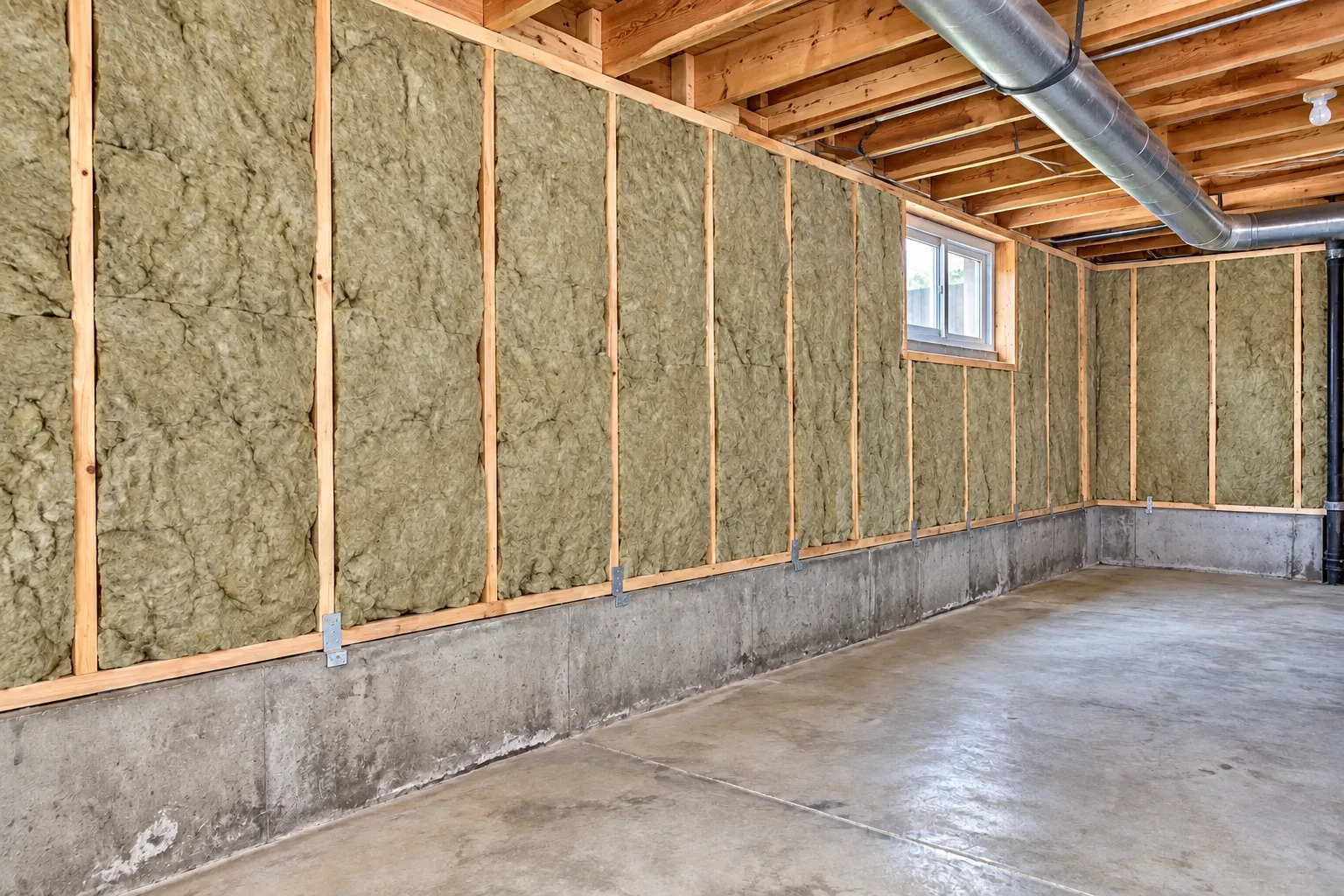
Wall insulation in Topeka KS - outside walls filled full, for rooms that hold their heat
Cold outside walls and rooms that never warm up usually mean empty wall cavities. We check them first, then fill them full.
Get your outside walls looked at
Have the year your house was built and any siding plans ready when you call (785) 246-7785, because both change how I'd fill the walls.
How do you insulate walls that are already closed up?
Wall insulation in Topeka for an existing house usually means drill and fill. We drill small holes near the top of each wall cavity, the space between the studs, and blow in loose fill until each one is packed full.
Most calls start with a cold outside wall or a bedroom that never warms up, usually in an older house where nobody filled the cavities when it was built. The price moves with how much wall there is, which side we drill from, and any moisture or crack repair that has to come first. The schedule turns on that same repair and on any siding work you have coming. At the estimate I walk the house with you and tell you what I'd do and in what order. If the upstairs is the real problem, attic insulation may be the better first job. We're based in Topeka and work in Lawrence, Tonganoxie, Eudora and other cities around it.
Why Topeka homeowners call Efficient Topeka Insulation Company for wall insulation
I look at your walls myself
We're based in Topeka, and I come out to look at each job myself and stay on site for most of the install. The person who planned your walls is the one watching them get filled.
Learned in attics, running since 2020
I learned the trade crawling attics with my dad and started this business in 2020. He used to say insulation over a leak is just a nicer looking leak, so we fix the leak first.
Licensed, insured, satisfaction guaranteed
We're licensed and insured, which matters when a crew is drilling into your house. Your satisfaction, guaranteed, and if the plan doesn't sit right, tell me at the estimate, before a hole goes in.
On walls, the thing that matters most is fixing any water or cracks before anything gets blown in. Call (785) 246-7785 or send us the form and I'll come take a look.
How our wall insulation works on a finished house
I check your walls for moisture and cracks before anyone picks up a drill, for reasons in the questions below. Then we pick the side to work from, inside or outside, whichever suits your house. Our crew drills a small hole near the top of each cavity and blows in loose fill. We pack it dense enough to fill the whole space so it won't settle and leave empty pockets at the top, because a wall that's three-quarters full is still a drafty wall. Packing walls that tight leaves real patching to do afterward, so plan that wall repair into your budget. Topeka's energy code covers how well a house's outer shell holds heat, and the city applies it to residential buildings as its code defines them.
Walls aren't the only way heat gets out. Air slips through gaps at outlets, trim and the top of the wall no matter how full the cavity is, so air sealing services often go with a wall job. If your floors are cold too, basement insulation usually does more for them than another wall would.
Dense-pack blown-in for closed walls
This suits most finished houses where the drywall or plaster is staying put. The holes are small, the fill goes in tight, and you can keep living in the house while we work.
Rigid foam with new siding
If you're re-siding soon, that's the best time to insulate from outside, because the house wrap, the sheet under the siding that sheds water, can be checked or put on new. Rigid foam boards can go on the outside too, either along with filled cavities or instead of them.
Spray foam in open walls
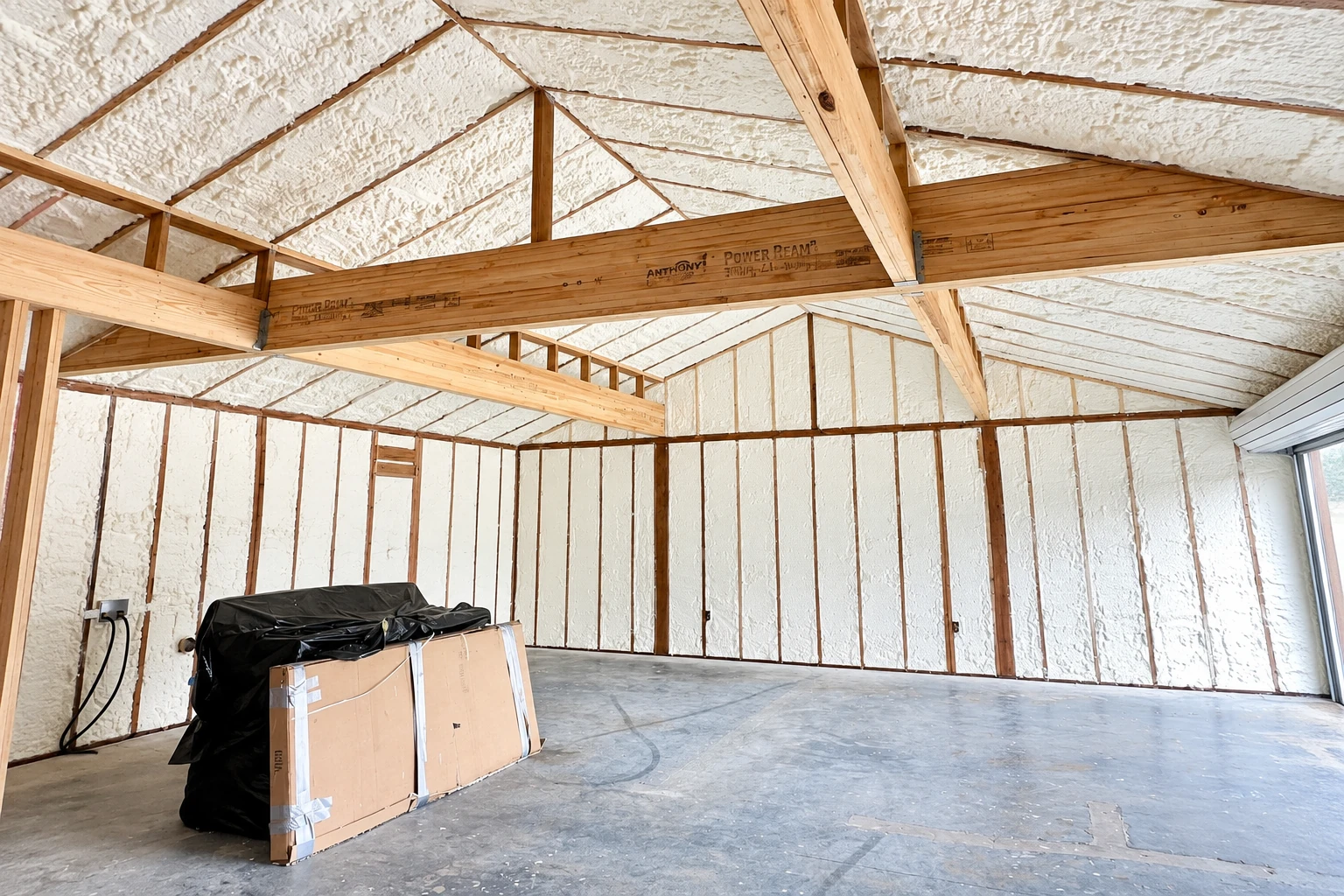
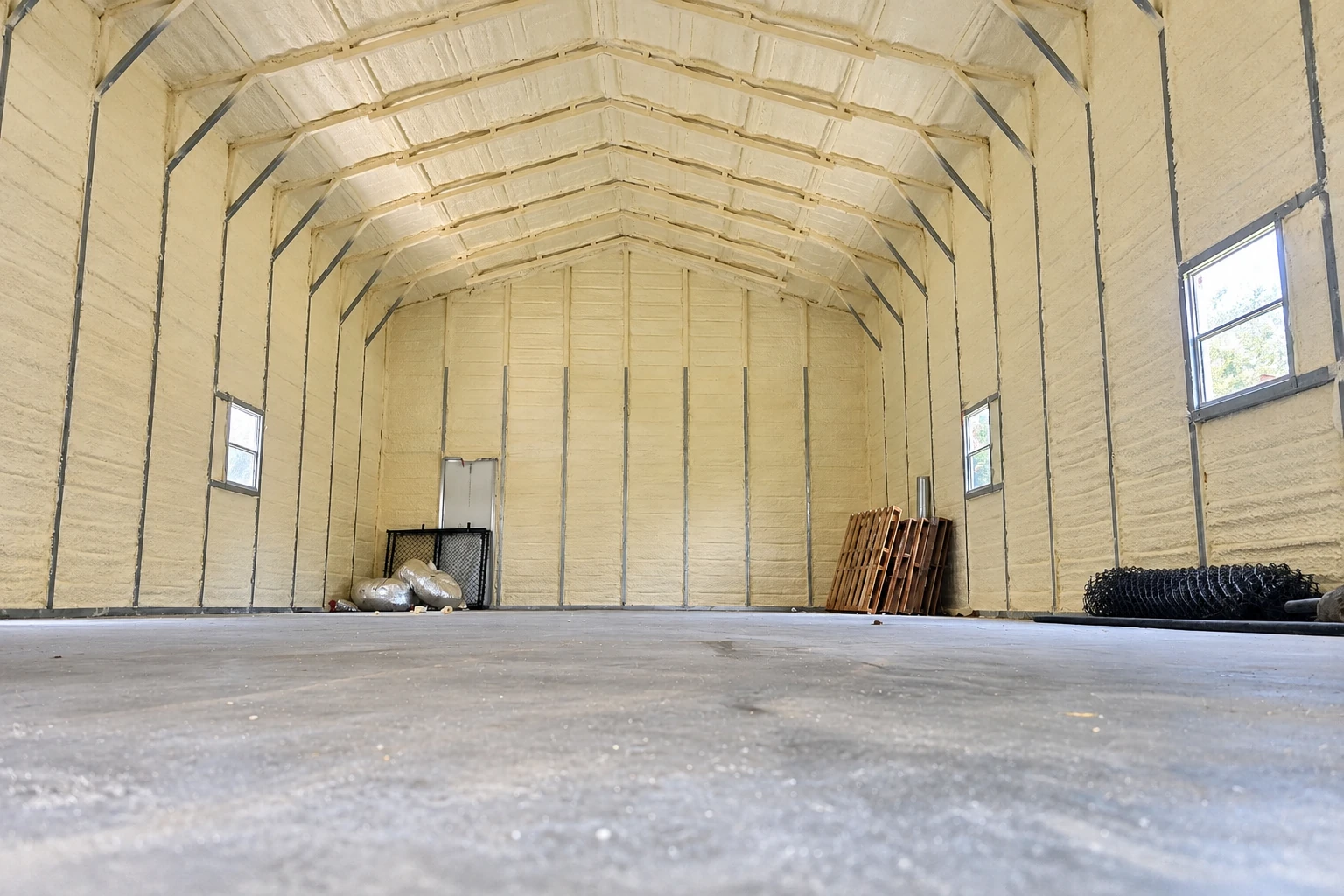
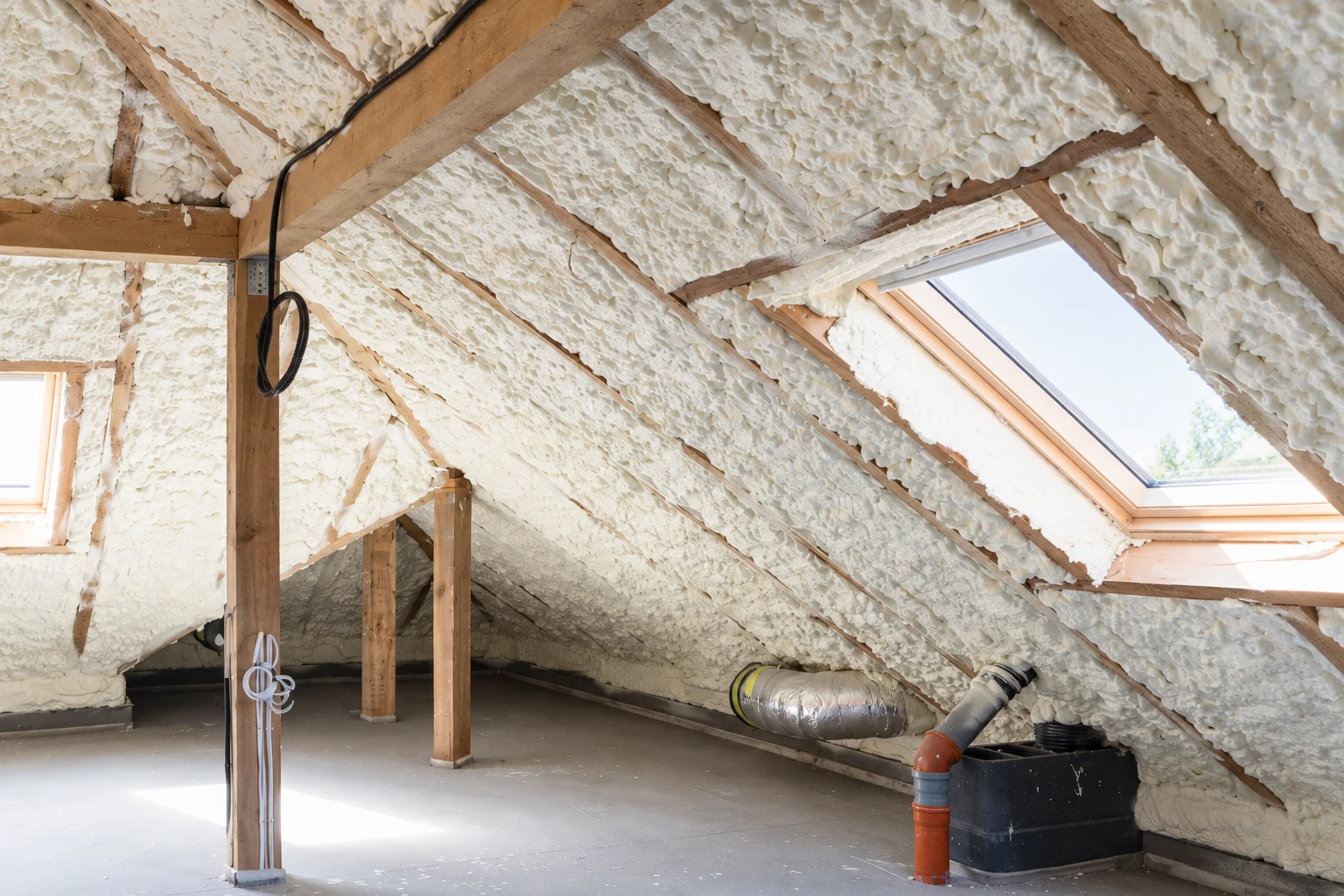
This suits a room that's already gutted for a remodel, because the studs are bare and foam seals air while it insulates. It's the one I'd pick when the walls are open anyway.
How can you tell your walls need insulation?
Outside walls cold to touch
Put your hand on an outside wall in winter and it feels like a window. That usually means the cavity is empty or thin, and the furnace pays for it every month you wait.
One room never warms up
One bedroom stays cold while the rest of the house is fine, often the one with the most outside wall. Waiting usually means another winter of space heaters and a closed door.
Drafts at outlets and switches
You feel air coming through the outlet covers on outside walls. That's a gap, and filling the wall without sealing it leaves the draft right where it was, so fix both together.
Stains, bubbling paint or cracks
Damp spots, peeling paint or cracks on an outside wall usually mean water getting in or a weak finish. Both need attention before we'd fill that wall, and waiting lets the damage spread inside it.
What happens after you call about your walls?
I come look at your walls
Call (785) 246-7785 or send the form, and I'll come look at your walls inside and out, then tell you what I'd do, in what order, and what needs fixing first.
Our crew fills the walls
Our crew works through the house wall by wall, and I'm on site for most of it. Expect drilling noise and some dust, and we cover floors and furniture near each wall.
We clean up and walk it
We clean up the dust and the drill spots, then walk the house with you at the end so you can see each wall we filled and how we closed the holes.
Wall insulation questions we hear
These are the questions Topeka homeowners ask most before we fill their walls. If yours isn't here, call and ask about your own house.
How much does wall insulation cost in Topeka, KS?
Insulation in Topeka usually costs about $1 to $5 per square foot, and that's a rough market estimate for insulation of all kinds, not a quote for your walls. For existing walls, spray foam is usually the most expensive way to go. Your number moves with wall area, which side we drill from and any repair that has to happen first, and I'll go over all of that when I walk the house with you.
What gets checked before you insulate existing walls?
Moisture and cracks get checked first, and the walls don't get filled until any moisture problem is found and repaired. Cracks in plaster or drywall get dealt with too, because dense-packing squeezes insulation into a tight space and can push a weak spot wider. Fill a wet wall and you've just built a very cozy place for rot.
What is the best way to insulate existing walls, from inside or outside?
Inside is usually the better side when your house wrap is in decent shape, because drilling from outside breaks through that water-shedding layer and it then has to be patched or replaced. Outside makes more sense when the inside is hard to get at or the wrap needs work anyway. If new siding is coming, look at the re-siding option above.
How do I know if my walls were filled all the way?
An infrared check is the usual way, because a thermal camera shows the framing and where a cavity is full or thin. Gaps show up best when it's a lot colder outside than inside, so ask me at the estimate when that check would work best on your house.
Do I need to worry about lead paint when insulating walls in an older house?
It's worth asking about if your house was built before 1980, because drilling disturbs the walls inside or out and lead safety rules may apply. Bring the build year to the estimate and we'll talk it through before anything gets drilled.
Do we have to leave the house while you insulate the walls?
Usually not for blown-in fill, since the work moves room by room and the noise and dust stay near the wall we're on. Spray foam is different, and if that's the plan we'll go over your re-entry time, when you and the pets can come back in, before it starts.
Get a free look at your walls
Put in your address, the year the house was built, any siding plans and any damp spots or cracks you've noticed. We reply within one business day to set up a free on-site estimate, with no obligation.
What wall insulation looks like
Work that often goes with walls
Air sealing services
If you still feel air at outlets and trim once the walls are full, sealing those gaps does what insulation can't.
Learn moreBasement insulation
Cold floors upstairs often start below them, and insulating the basement walls stops that chill closer to where it begins.
Learn more