
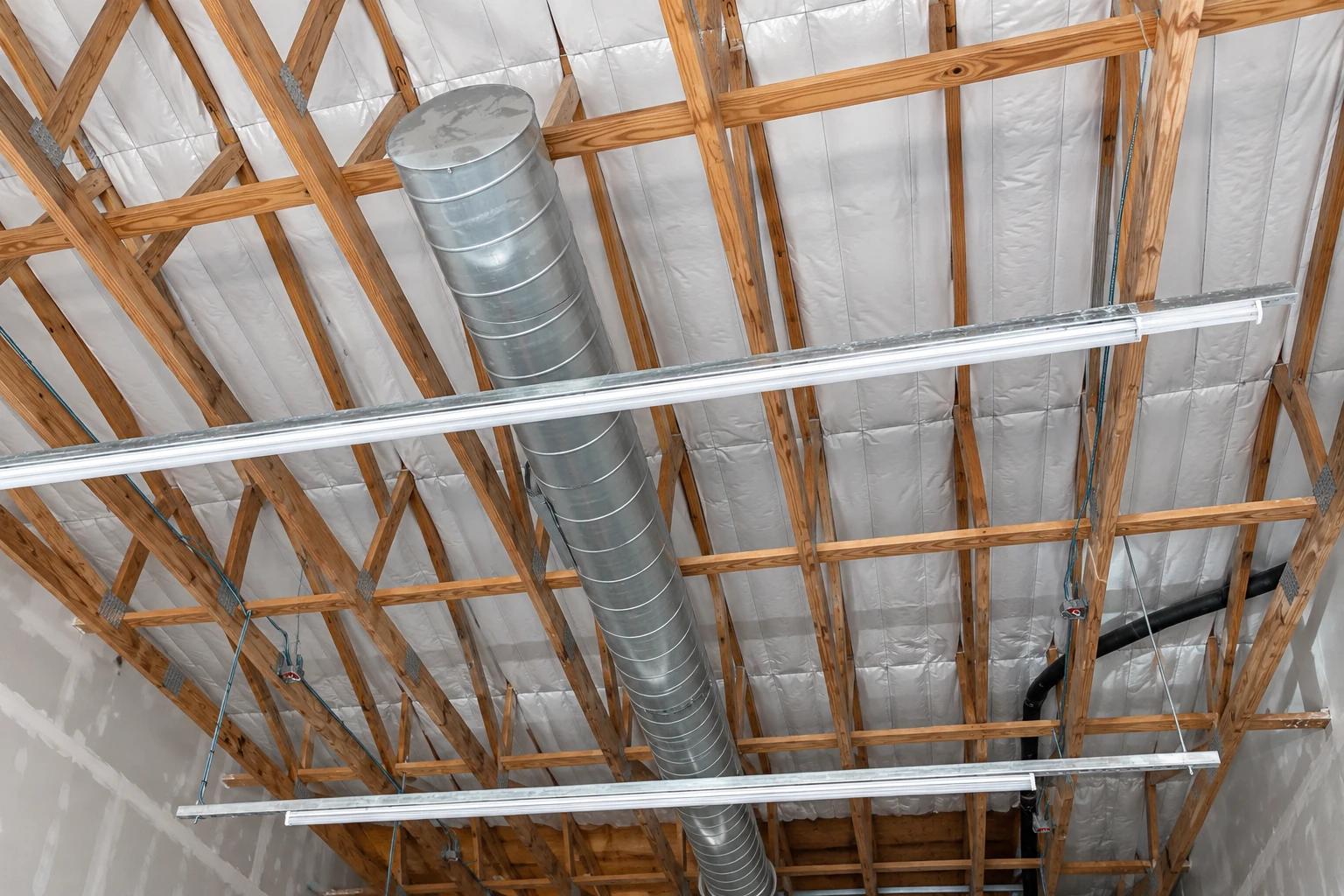
Closed-cell foam insulation in Topeka KS - a tight, dry seal where it counts
Cold floors, drafts along the basement walls or a damp rim joist? We seal and insulate those spots in one pass with dense foam.
Book a closed-cell foam estimate in Topeka
Call (785) 246-7785 or send the form, and I'll look at the spot before anyone sells you a foam job your house may not need.
When is closed-cell foam the right insulation for a Topeka house?
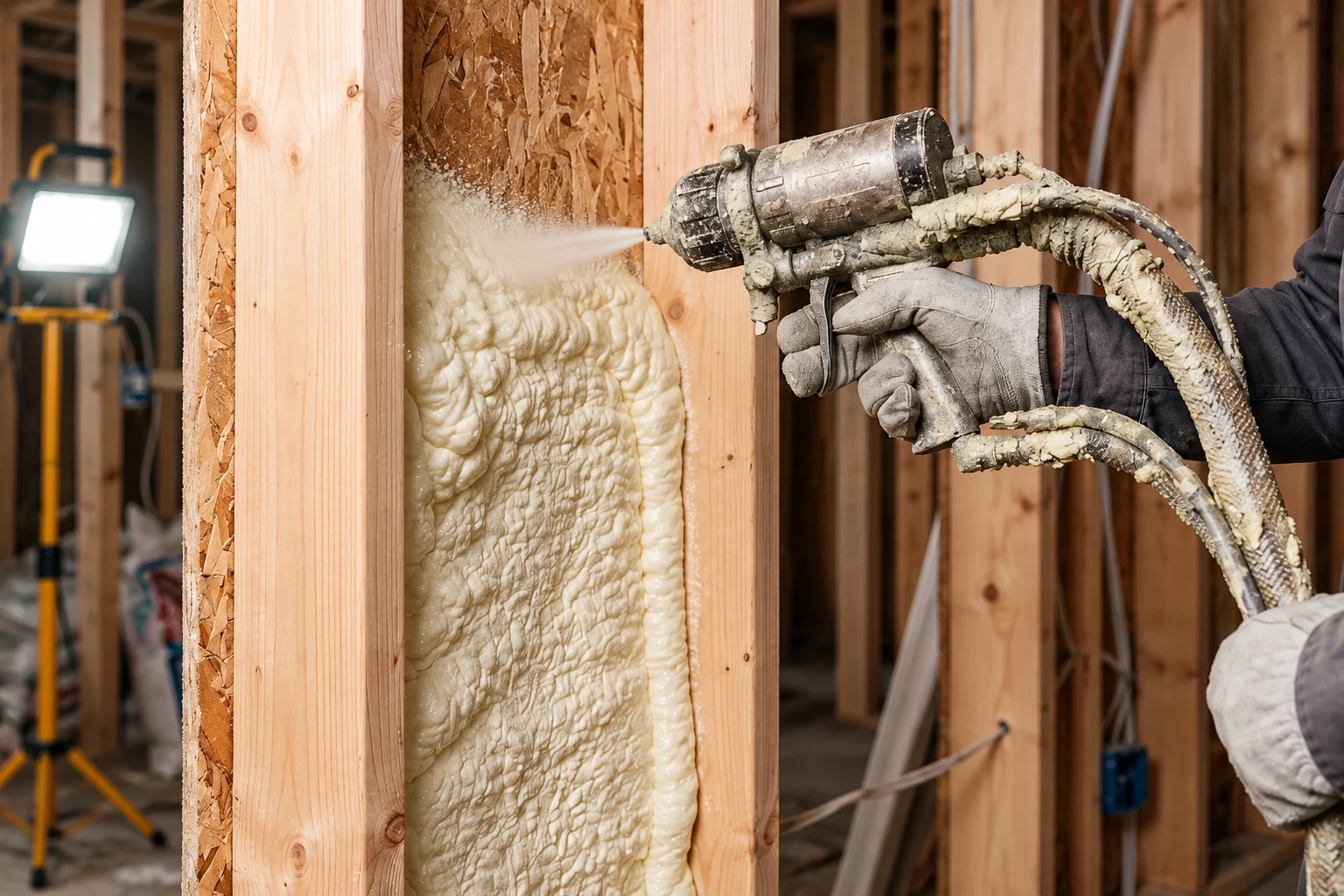
Closed-cell foam insulation is a rigid spray foam, far stiffer than the soft kind, that seals air leaks and insulates in the same layer. In Topeka it's the fix for drafty, damp spots where there isn't room for anything thick.
Most people call about cold floors, a draft along the top of the basement walls or a musty smell down there, and the usual culprit is the rim joist, the band of framing that sits on top of the foundation. We're Efficient Topeka Insulation Company, based in Topeka and working in Lawrence, Tonganoxie, Eudora and other cities around it. The price moves with how much area needs foam, how thick it goes, how easy it is to reach and whether old insulation has to come out first. The schedule mostly turns on when everyone in the house can be away while the foam cures. The estimate is where your own figure comes from, once I've seen the space and can tell you what I'd do first.
Why Topeka homeowners call Efficient Topeka Insulation Company for closed-cell foam
I look at every job myself
I come out to look at each job myself, and while our crew does the install, I'm there for most of it. The person who planned your job is usually the one checking the foam.
Learned in attics, running since 2020
I learned this trade crawling through attics with my dad, and I started this business in Topeka in 2020. He taught me to fix the leaks first, and that's still how we work.
Licensed, insured and easy to check
We're licensed and insured. Topeka's city code sets a residential contractor license for building, enlarging or remodeling one- or two-family homes, so ask any installer which licenses they carry.
On this job the order matters, with leaks sealed and wet spots dealt with before any foam goes on. Contact us and I'll come see what your house needs.
How we do closed-cell foam insulation
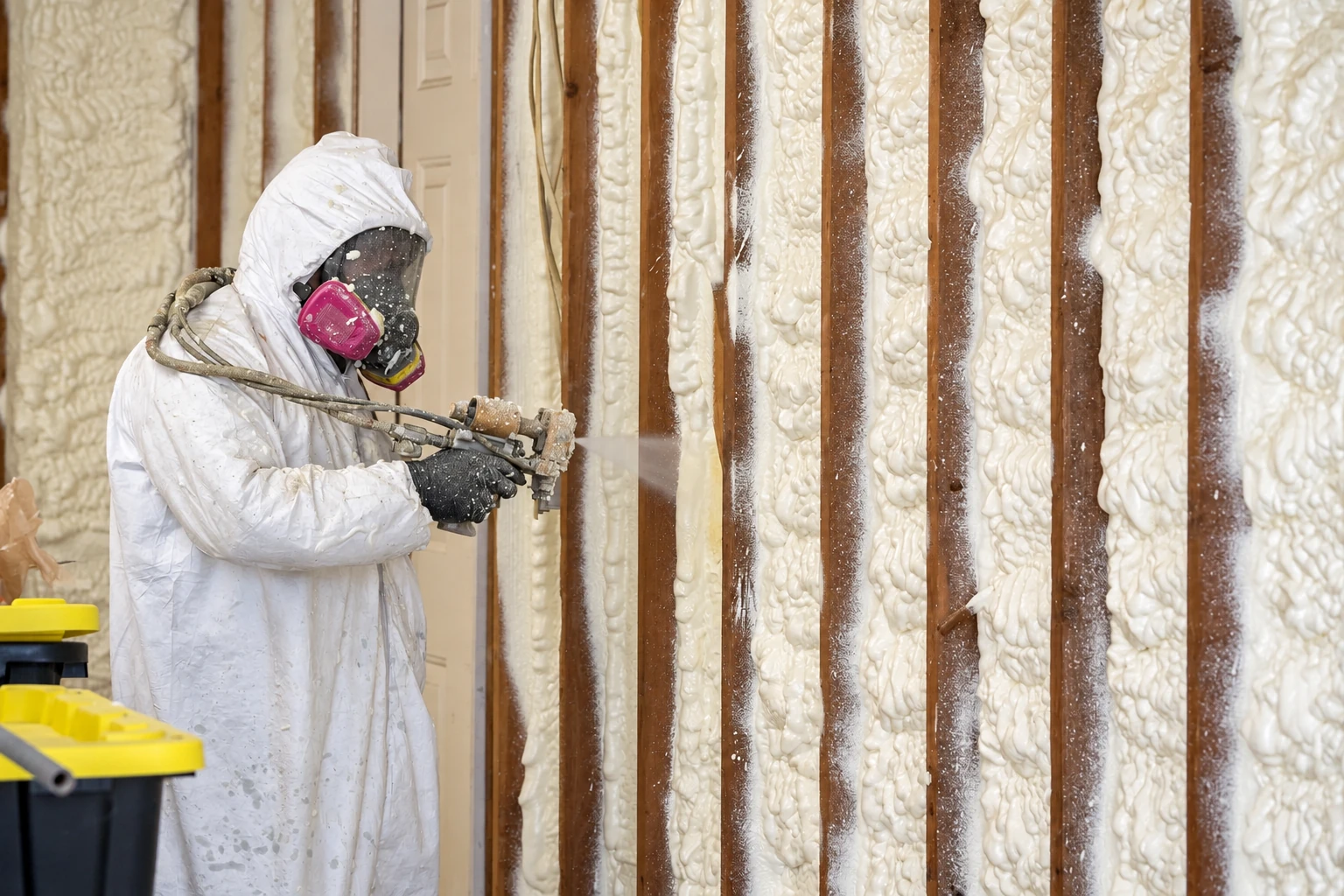
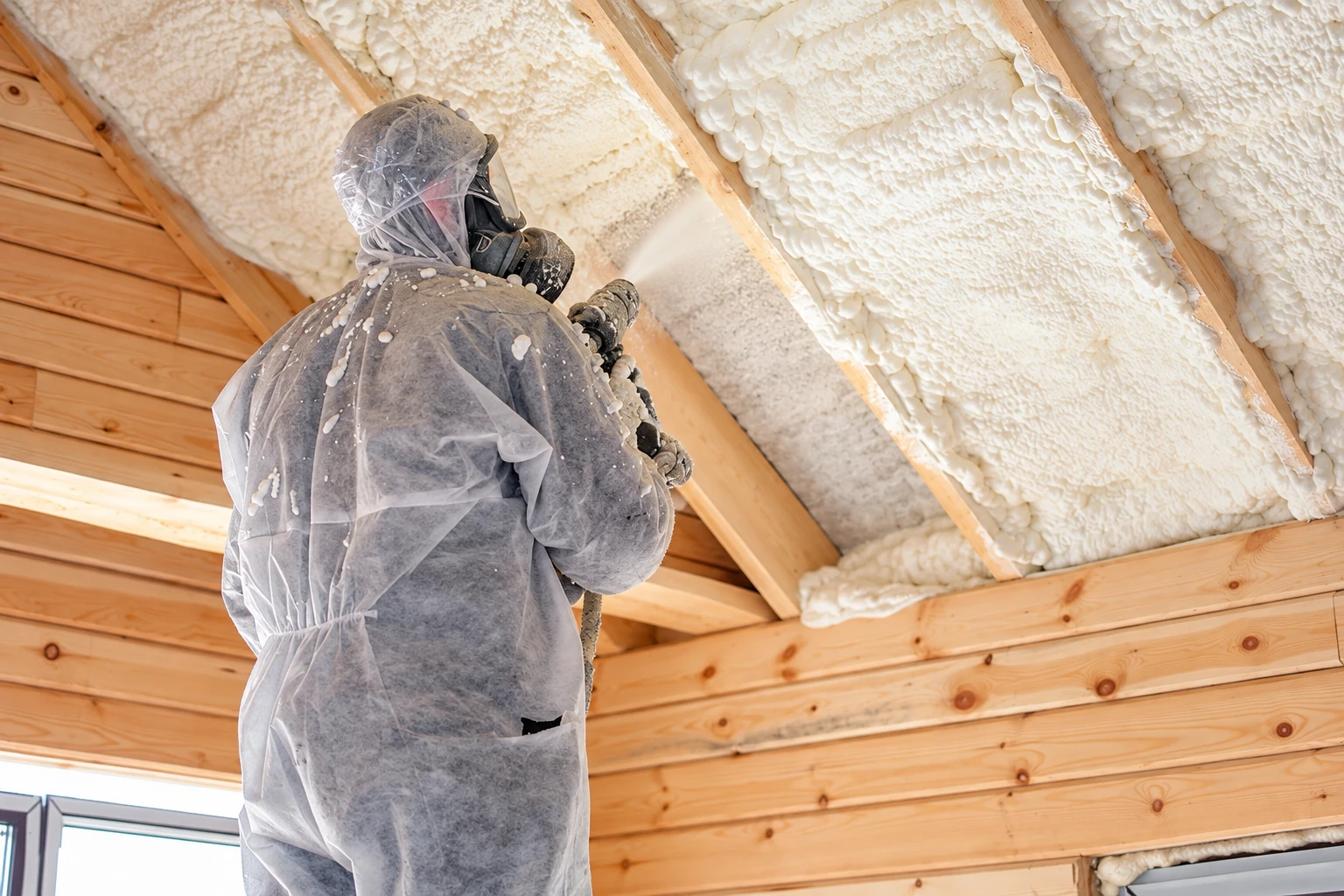
Closed-cell is the stiff, water-shedding foam we reach for on rim joists and other spots where moisture is a worry, and since it's the pricier foam, we use it where it earns its keep and not everywhere. First we clear the area and pull out any old insulation that's soaked or full of droppings, because foam over a problem just hides it. My dad used to say insulation over a leak is just a nicer looking leak, and he wasn't wrong. Then we cover whatever shouldn't get foam on it, spray to the depth we planned and go back over the edges and corners, since thin spots at the edges are where drafts sneak back in. Once it's cured, we clean up and air the place out.
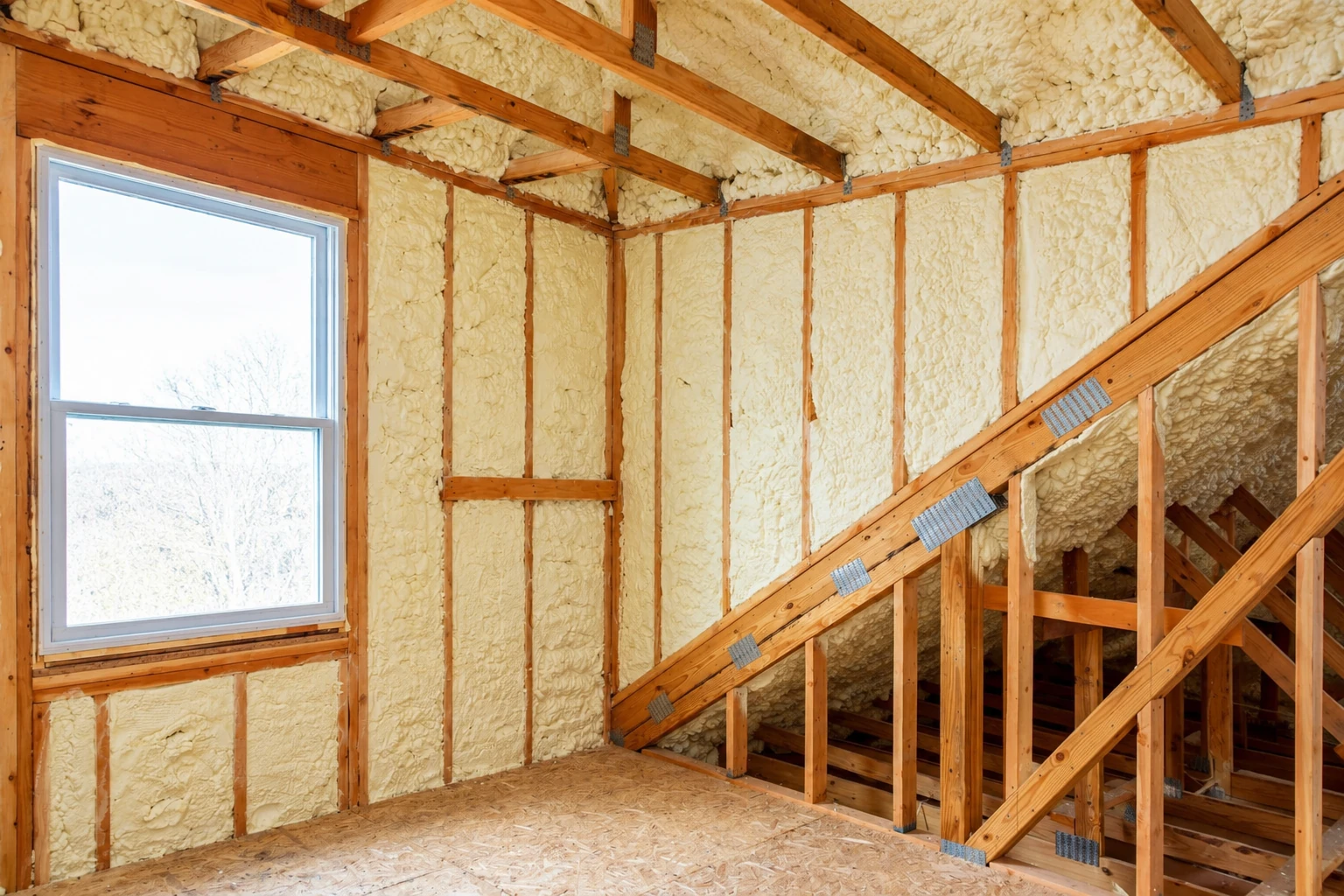
Closed-cell isn't the only foam. Open-cell foam insulation is softer and costs less, so it often makes more sense in walls and rooflines where moisture isn't the concern. In most attics, sealing the gaps and topping up loose fill does the job for less than foam, and I'll tell you so, but if your ductwork lives up there, foam under the roof can be worth the money. Property managers can also bring us in for commercial insulation on their buildings.
Rim joists and basement bands
This suits older houses with cold first floors or drafts at the top of the basement walls. Foam fills the uneven gaps there and seals them in one pass, which batts tucked in by hand rarely manage.
Attic roof deck over ductwork
This suits houses where the furnace ducts run through the attic. Foam under the roof keeps those ducts on the warm side, which can justify the higher price when loose fill on the floor can't.
How do you know your house could use closed-cell foam?
Cold floors downstairs
If the first floor stays cold with the heat turned up, air is often leaking in at the rim joist. Leave it, and you keep paying to heat air that walks right back out.
Draft at the basement ceiling
Feel along the top of the basement walls on a windy day. Moving air there usually means open gaps in the framing, and every month they stay open shows up on the power bill.
Musty smell or damp wood
A musty basement band or dark staining on the wood usually means moisture is collecting there. Waiting gives it time to soak into the framing, which is a bigger fix than insulation.
Room over the garage
The room over the garage running hot in summer and cold in winter usually means the floor under it leaks air. It won't fix itself, and that room keeps going unused.
What happens after you call us about closed-cell foam?
Call and set up a visit
Call or send the form, and I'll come look at the basement, crawl space or attic. Then I'll tell you what I'd do, in what order, and what needs fixing first.
Our crew sprays the foam
If you go ahead, our crew does the work on dates we settle together. Your household stays somewhere else for the job and the cure, so plan that trip before we start.
Clean up and walk through
We clean up and air the space out, then walk it with you. You'll see the coverage at the edges and corners, not just the easy middle.
Closed-cell foam questions from Topeka
These are the questions I hear most about closed-cell foam. If your house raises one that isn't here, ask when you call and I'll give you a straight answer.
How much does closed-cell spray foam insulation cost in Topeka?
Closed-cell spray foam in Topeka usually costs about $3,000 to $4,500 for 1,000 square feet at 3 inches thick. That's the going rate around here, not a quote, and a small rim joist job or a big roof deck lands well away from it. Your own figure comes from the estimate, after I've walked the space with you.
How long does my family need to stay out of the house after spray foam?
Plan on everyone being out for at least 24 hours, and staying out until the foam has finished curing and the house has been aired out and cleaned. Federal safety guidance says the safe re-entry time, when you can come back in, depends on the product, the kind of house and whether kids or older people live there. Line up a place to stay before the job, and we'll plan the dates around it.
Does closed-cell foam seal air better than open-cell foam?
Both can stop air, but closed-cell does it with a much thinner layer. To count as an air barrier, closed-cell foam needs a finished thickness of at least 1.5 inches, while open-cell needs at least 5.5 inches. That's why closed-cell fits tight spots where a thick layer won't.
Is spray foam safe if someone in my house has asthma?
It may not be the right choice for your house. Exposure to spray foam chemicals can cause asthma, breathing problems and skin and eye irritation, and federal safety guidance says anyone with skin conditions, breathing allergies, asthma or a past reaction to isocyanates, the reactive chemicals in the foam, should read the product information carefully and consider other insulation if needed. Tell me when I come out, and we'll talk through options like sealing the gaps and using blown-in fill instead.
Does closed-cell foam keep moisture out of a basement?
It slows moisture in the air way down and won't soak up water, but it won't stop water coming through the foundation. At its usual thickness, closed-cell foam acts as a vapor retarder, letting almost no moisture vapor through. If water's getting in, that has to be dealt with before any foam goes on.
How do I choose a spray foam installer in Topeka?
Pick someone who's had proper training for spray foam and can show you their insurance, licenses and references, which is what federal safety guidance tells homeowners to check. Ask how they'll plan your time away and who'll be on site while the foam goes on. We're glad to answer all of it before you decide.
Get a closed-cell foam plan for your house
Tell us the area you want insulated and its rough size, anyone at home with asthma or allergies, and dates everyone could be away. We reply within one business day to set up a free on-site estimate, with no obligation.
Closed-cell foam up close
Other insulation jobs we handle
Open-cell foam insulation
If moisture isn't the worry and you want to fill a wall or roofline for less, the softer foam is worth comparing.
Learn moreCommercial insulation
Property managers with shops, offices or rental buildings can bring us in to seal and insulate on a bigger scale.
Learn more