
Home insulation in Topeka KS - leaks sealed first, then a house that holds its heat
Drafty rooms, a hot upstairs or a power bill that climbs every winter? We seal the gaps first, then insulate, so the house stays comfortable.
Have me look at your whole house
Call (785) 246-7785 or send the form, and mention roughly when your house was built, because older houses can hide wiring that has to be dealt with before any insulation goes in.
Where do I start insulating a house in Topeka?
Home insulation in Topeka starts with sealing the gaps your house leaks air through, then adding insulation to the attic, floors, crawl space and rim joists, the framing that rests on the foundation, so your rooms stay closer to the temperature you set.
Most calls start with one complaint, a hot upstairs or cold floors or a power bill that won't quit, and the homeowner doesn't know whether the attic, the walls or the crawl space is to blame. Often it's a little of each. The price moves with how many inches are already up there, how many gaps need attic air sealing, how easy the space is to get into and whether old, wet or dirty material has to come out first. The schedule turns on the same things, plus anything that has to be fixed before insulation goes in. When I walk the house with you, I tell you what I'd do and in what order, and that's where your own number comes from.
Why Topeka homeowners call Efficient Topeka Insulation Company for home insulation
I look at every job myself
I come out to see each house myself, and I'm on site for most of the install our crew does. So the person who laid out the plan is usually there watching it get followed.
Doing it in order since 2020
I learned this trade in attics with my dad and started this business in 2020. He used to say insulation over a leak is just a nicer looking leak, so we still seal first.
Licensed, insured and Topeka based
Licensed and insured, and based in Topeka, where the city's energy code covers how houses like yours hold heat. We work in Lawrence, Tonganoxie, Eudora and other cities around Topeka, too.
The order the work goes in matters more than how deep the pile gets up there. When you're ready, contact us or call (785) 246-7785 and I'll come take a look.
How we handle home insulation, attic to rim joist
If you're not sure where to start, I look at the whole house, from the attic down to the rim joists, and tell you where your money does the most good. Some of it you can do yourself, and I'll say so. When our crew takes it on, we seal first, closing the gaps around can lights, pipes, wiring and the attic hatch, because insulation laid over a draft just spends its life fighting it. Then we keep the eave vents open so the attic can still breathe, and we spread the insulation evenly, as deep at the edges as in the middle, which is where most attics come up short.
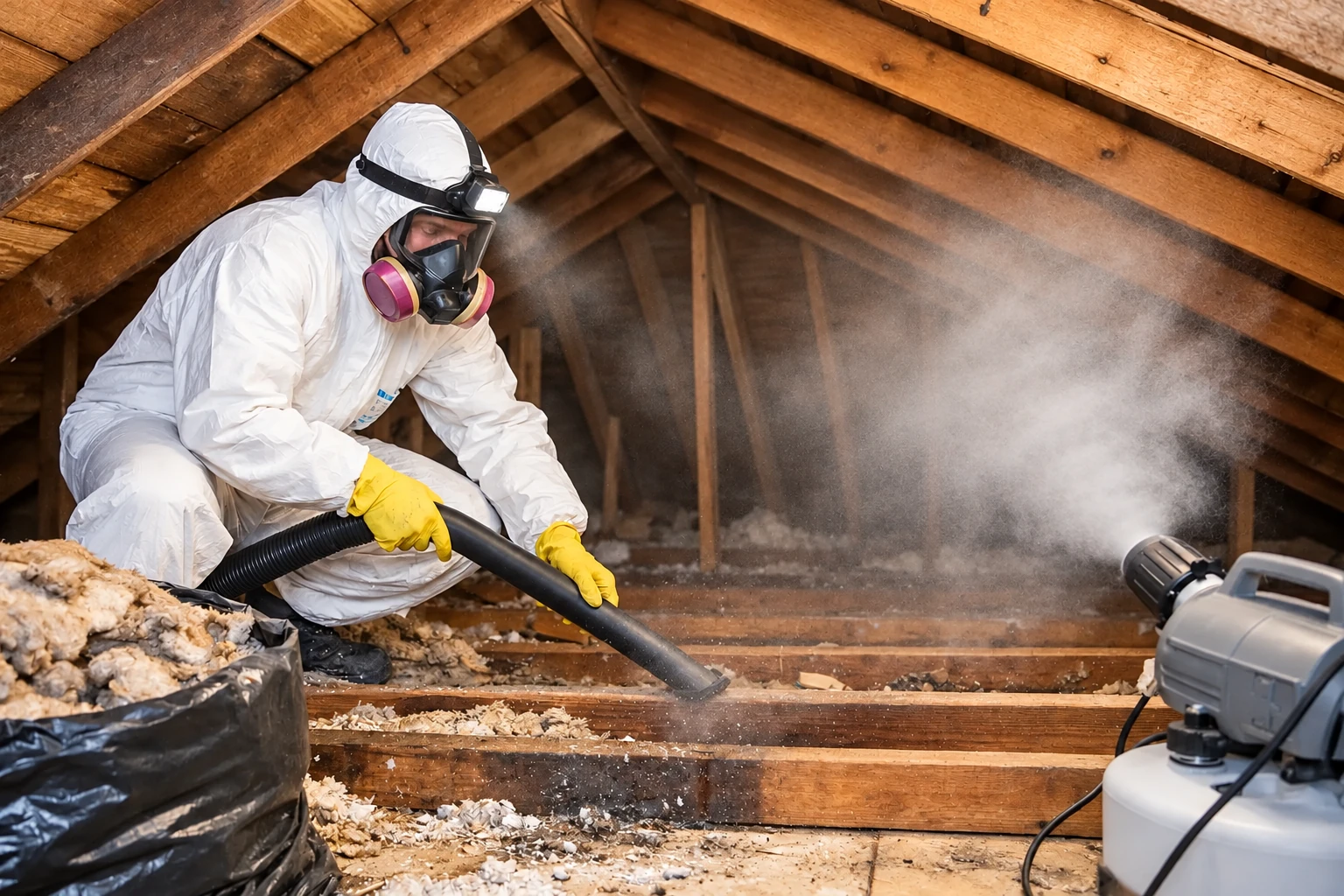
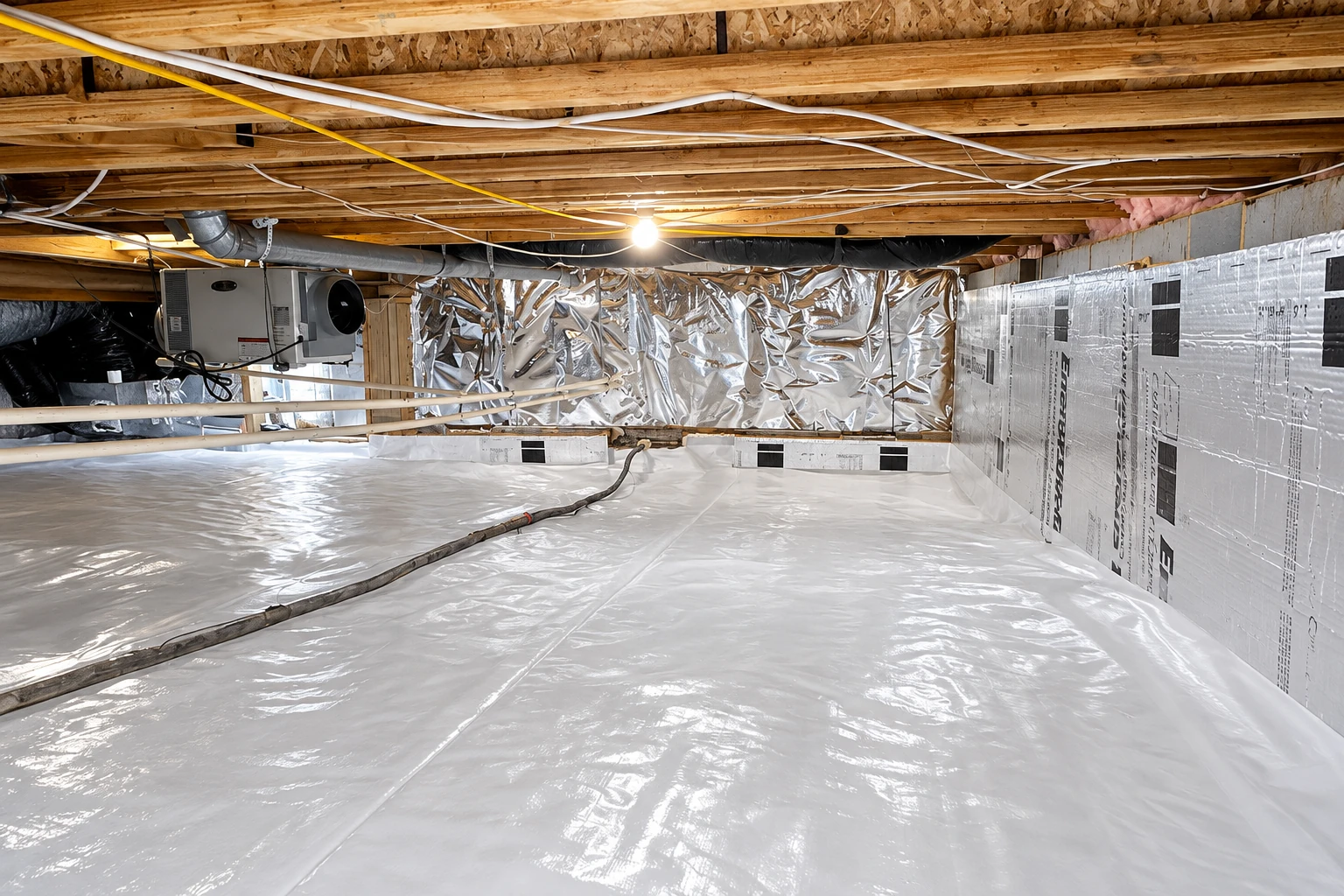
Some houses need more than a top-up. When the old material is soaked, moldy or full of droppings, it comes out first through insulation removal, because fresh insulation on top keeps the problem and just hides it better. Cold floors usually trace back to what's under the house, and crawl space insulation along with the rim joists is usually the fix.
Air sealing and a blown-in top-up
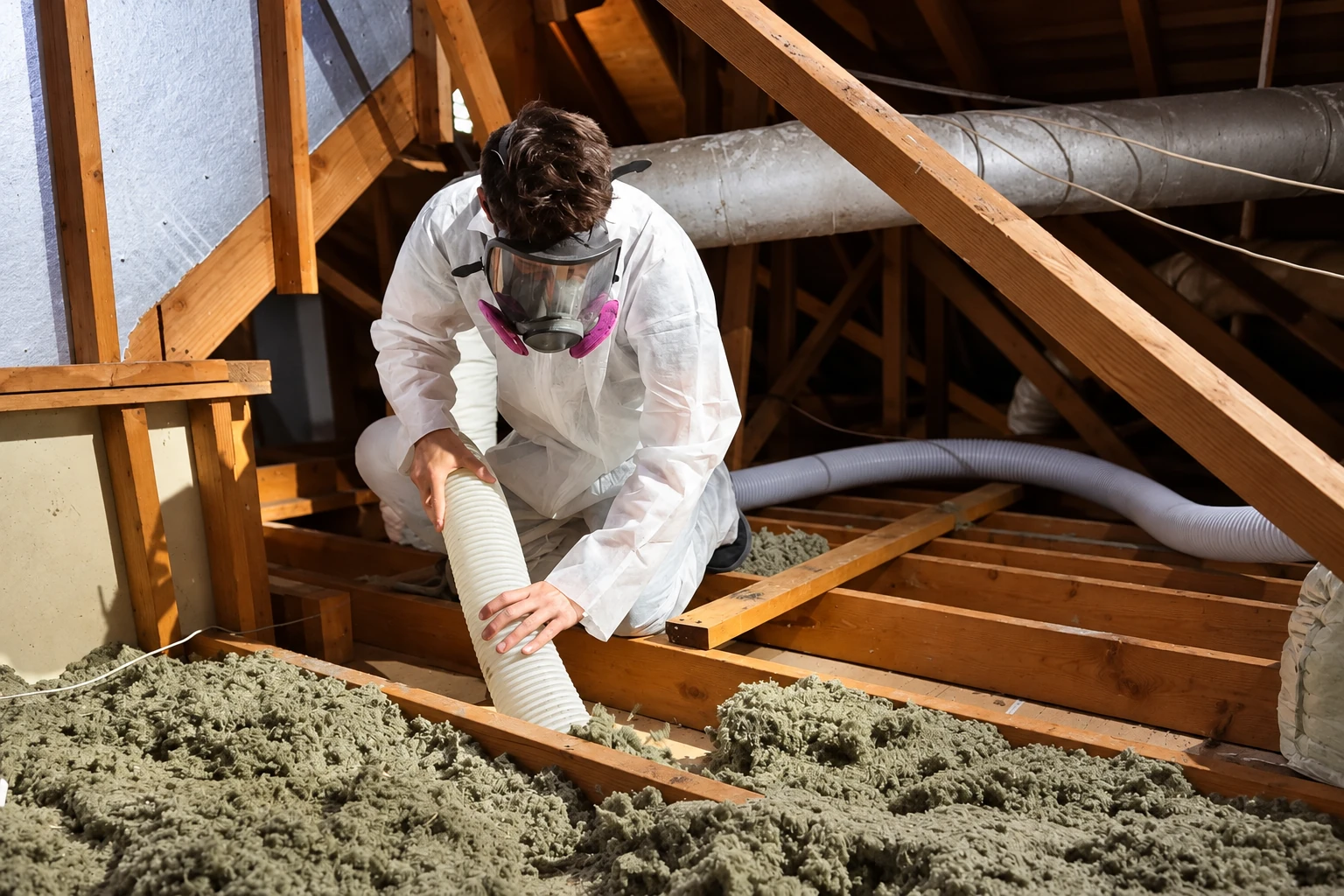
This suits most attics, where we seal the gaps and then add blown-in insulation, loose fill blown through a hose, over what's already there. It usually does the most for the money unless your ductwork runs through the attic.
Spray foam where the ducts live
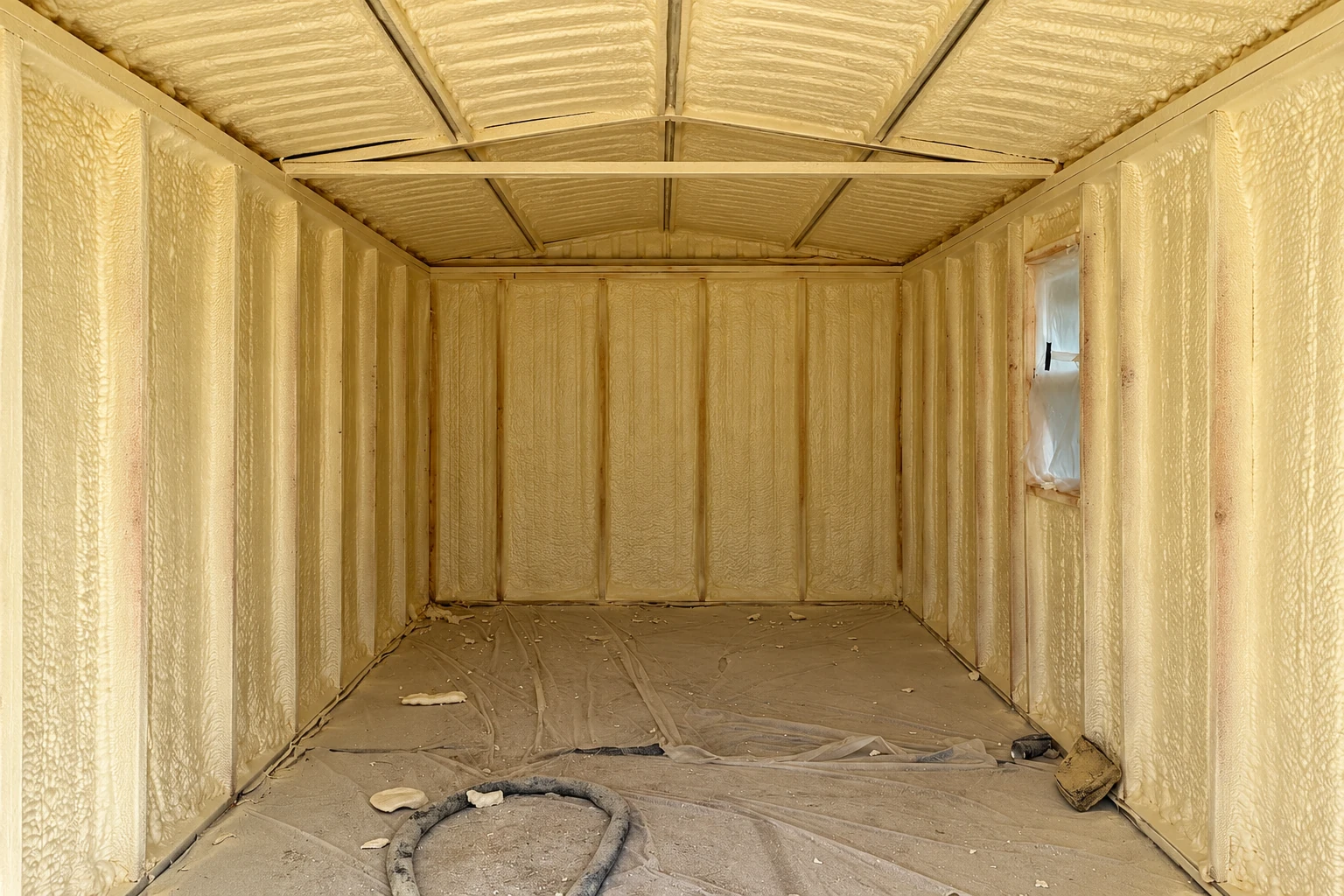
Spray foam costs more, but it seals air and insulates in one pass, which makes sense when the ductwork is in the attic or the room over the garage never stays comfortable. Closed-cell foam, the dense kind that also blocks moisture, comes with a re-entry time, a wait before you can come back inside, and I'll go over it before we start.
How can you tell your house needs better insulation?
Hot upstairs, cold downstairs
One floor bakes while another stays chilly, which usually means the attic is leaking air or the insulation is thin. Left alone, you keep paying to heat rooms that won't hold it.
Ice along the roof edge
Thick ice at the eaves usually means house heat is warming the attic, melting snow that refreezes at the edge. Wait too long and that water can work under the shingles.
Dust below the attic
Gray streaks around ceiling vents or light fixtures usually mean attic air is getting pulled into the room through gaps. That same leak lets heat out all winter and brings attic dust in.
Drafts and dry winter air
A draft by a window or outlet, or air dry enough to crack your skin in winter, usually means the house is swapping inside air for outside air. Waiting keeps the furnace working harder.
What happens after you call us about insulating your house?
Call and I come look
Call (785) 246-7785 or send the form, and I'll come out. I walk the attic, walls or crawl space with you and tell you what I'd do, in what order, and what has to be fixed first.
Our crew does the work
If you go ahead, our crew seals first and insulates second, and I'm on site for most of it. Clearing a path to the attic hatch saves everybody some furniture shuffling.
We clean up and walk it
We clean up, then walk the job with you at the end so you can see what was sealed and how deep the insulation sits before we leave.
Questions Topeka homeowners ask
These are the questions I hear most about insulating a house in Topeka. If yours isn't here, call or send the form and ask about your own house.
Should I seal air leaks before adding insulation to my house?
Yes, seal first. Insulation can be money wasted if the holes and gaps in your ceilings, walls and foundation stay open, because air carries heat right past it. You get the most out of the job when sealing goes first and the new insulation follows.
What is the best way to insulate an attic, blown-in or batts?
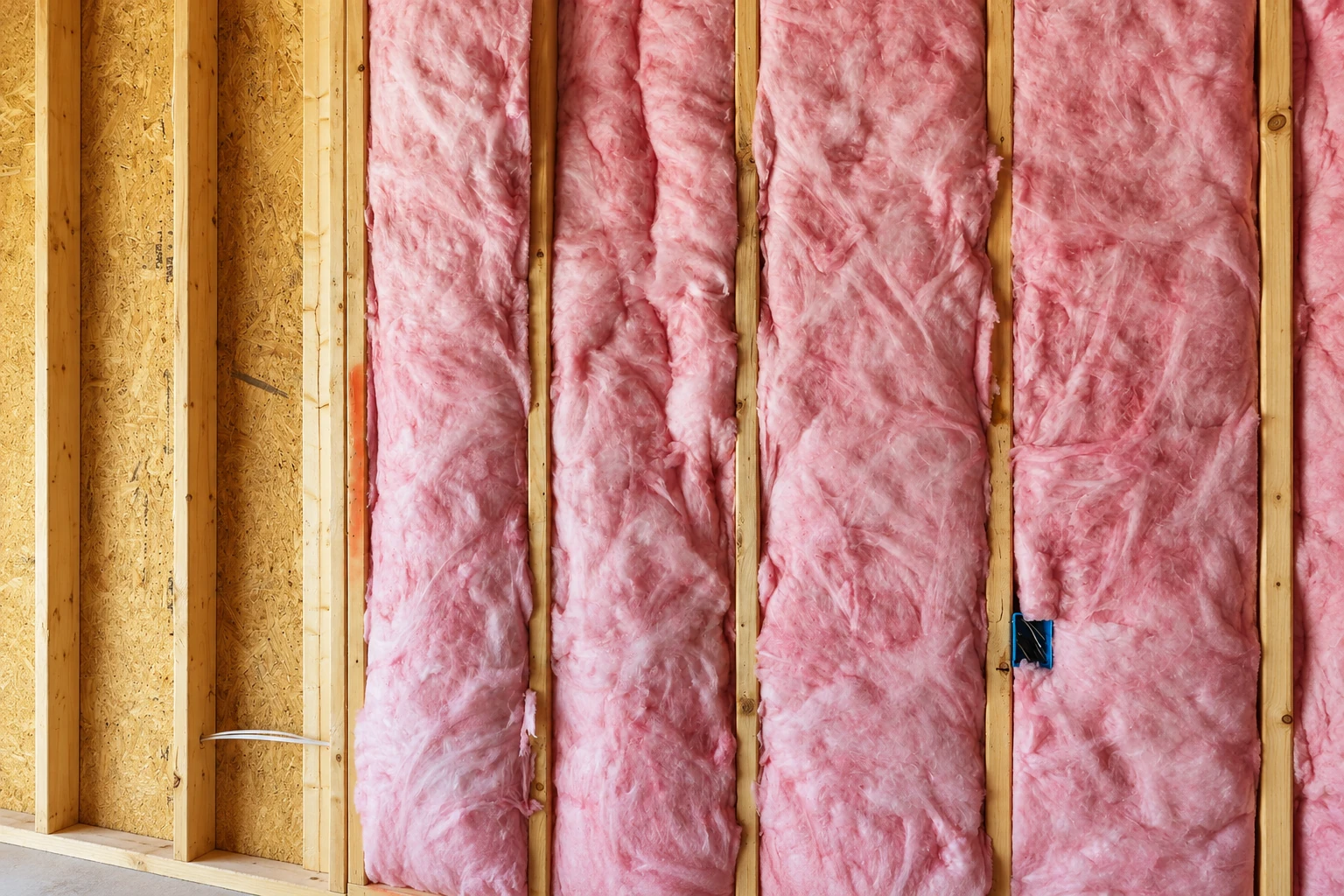
Blown loose fill, made of fiberglass, rock wool or cellulose, is usually less expensive than batts and covers better, though installed prices vary. It can fill any space without disturbing the framing or your finished ceilings. When you compare quotes, ask for a blown loose-fill price next to any batt price.
Can I insulate my own attic in Topeka?
Often, yes, if the attic is easy to get into and move around in, and the ENERGY STAR do-it-yourself guide says sealing and adding insulation can usually be done in a day or two. It also recommends a pro fix certain problems before the job goes ahead, such as wet insulation from a leaky roof, moldy or rotted framing, little or no ventilation, or kitchen, bath or dryer vents blowing moist air into the attic instead of outside.
What should I check before insulating an older house?
Check for old wiring, vermiculite and gas or oil appliances before anyone adds insulation. Knob and tube wiring, found in houses built before 1930, can be a fire hazard when insulation touches it, so a pro deals with it first. Vermiculite stays undisturbed until an approved lab tests it for asbestos, and the local health department can name one. Sealing can sometimes make gas or oil appliances that vent on their own back-draft exhaust into the house, so it's worth having a Home Performance Contractor test them before and after.
How much does attic insulation cost in Topeka?
Attic insulation in the Topeka area usually costs about $1,400 to $4,500 per job. That's the going rate around here, not our price, and where your attic lands depends on the depth, sealing, access and cleanup I covered up top. The estimate is where you get your own figure.
How do I know blown-in insulation is deep enough?
Ask the installer to staple depth rulers in several spots across the attic, so you can see the loose fill is deep enough and spread evenly. The rulers also let you track how much it settles over the years.
Get an insulation plan for your house
Tell us the problem, how you get into the attic and whether you have gas appliances, and we'll get back to you within one business day. The on-site estimate is free with no obligation, and I come out myself.
Insulation work, up close
Other work your house may need
Insulation removal
If what's up there now smells, sags or shows signs of critters, getting it out is the first job.
Learn moreCrawl space insulation
Cold floors over a crawl space are often the part of the house nobody thought to check.
Learn more