
Basement insulation in Topeka KS - warmer floors and walls that handle moisture
Cold floors upstairs or a basement that smells damp? We check the moisture first, then insulate with what your walls can handle.
Have us check your basement walls
Call (785) 246-7785 or send the form with the rough size, how you use the space and where you've seen damp, so I know what to look at when I come out.
Is it worth insulating my basement in Topeka?
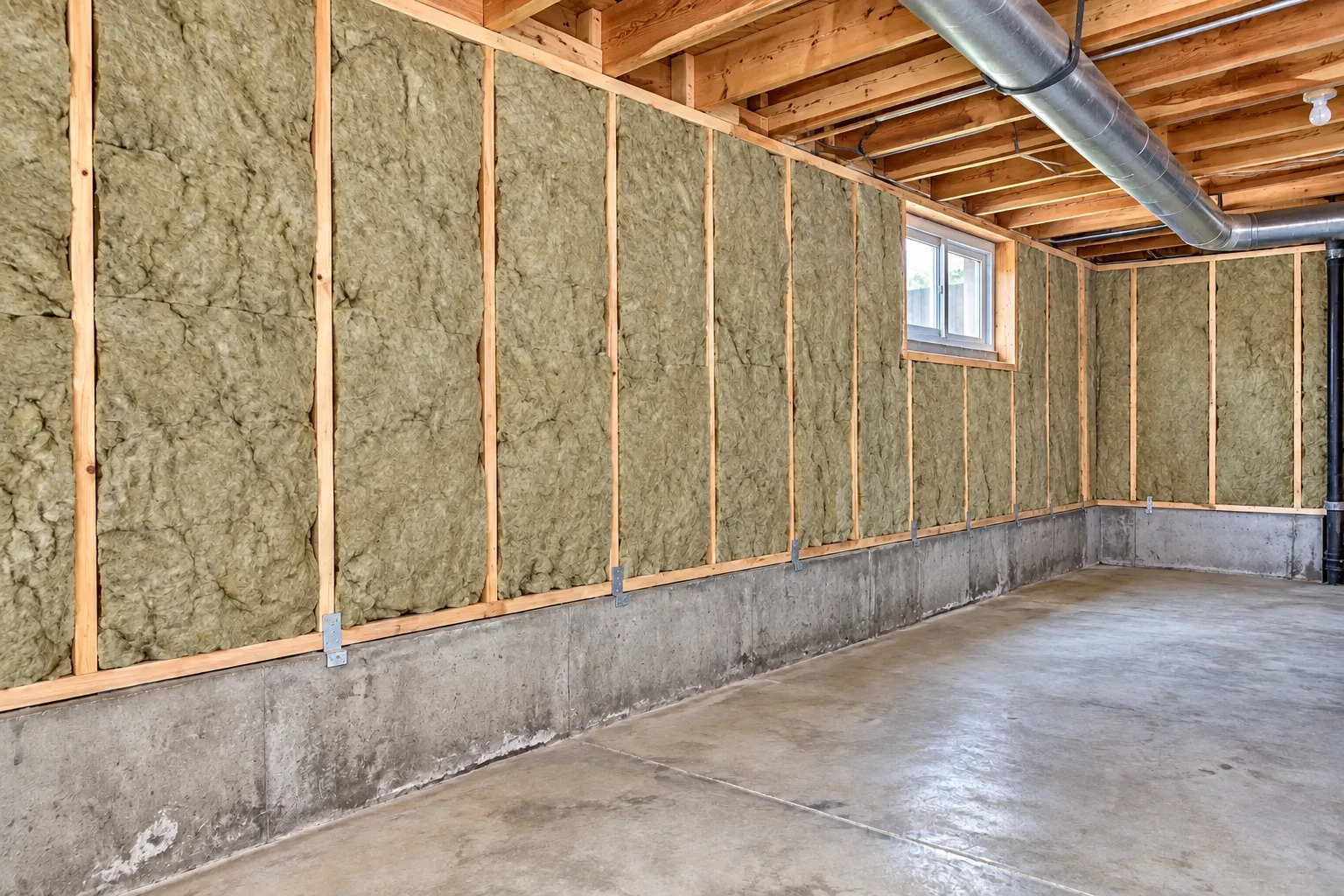
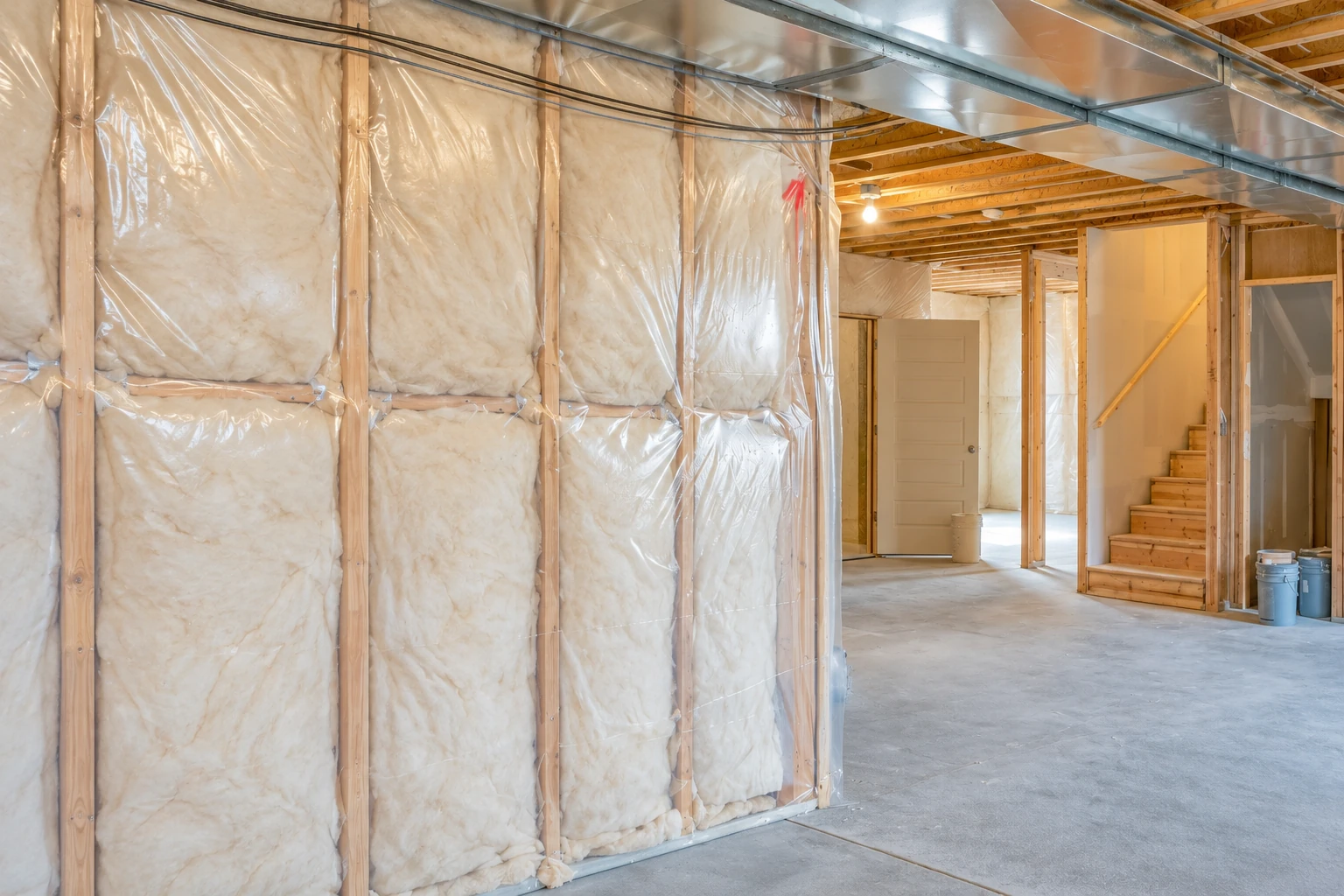
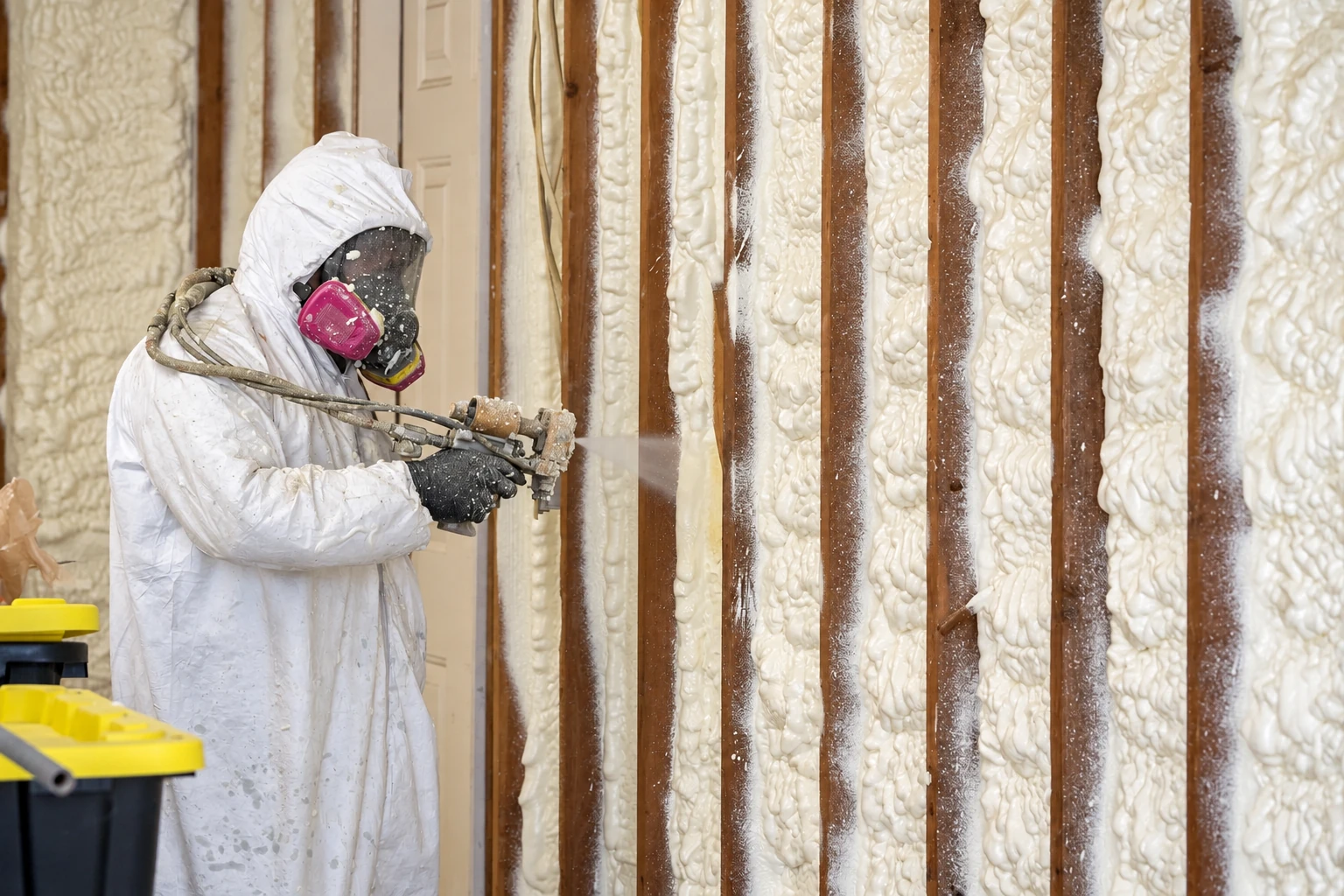
Basement insulation in Topeka covers the basement walls with rigid foam board or spray foam, so your house stops losing so much heat through the foundation and the floors above stop feeling like a garage in January. How much it saves depends on your heating system, what you pay for fuel and how you live in the house. We're based in Topeka and also work in Lawrence, Tonganoxie, Eudora and other cities around it.
Most basements we see around here are bare concrete or have old fiberglass tacked to the walls, and before anyone talks about which insulation, I want to know whether those walls stay dry. The price moves with how much wall you have, spray foam or foam board, whether the top of the wall gets some air sealing too, and anything that needs fixing before we start, and that last part is usually what sets the schedule. When I come out, I'll walk it with you and tell you what I'd do and in what order.
Why Topeka homeowners call Efficient Topeka Insulation Company about basements
I look at it myself
I walk every basement myself before we plan anything, and I'm on site for most of the install while our crew does the work. You deal with the person who's actually watching your walls go up.
Learned it from my dad
I learned this trade crawling attics with my dad, and we've been in business since 2020. He taught me the order matters, and in a basement the order starts with water.
Licensed and insured on every job
We're licensed and insured. Topeka's city code has a residential contractor license for anyone hired to remodel or add on to a one- or two-family house, so ask whoever you hire about it.
In a basement, the water question gets settled before the insulation question. Set up a time for me to come look at yours.
How we do basement insulation
How you use the basement decides where the insulation goes, and how damp it gets decides the material, so we look for moisture before anything else. National building science guidance also has gas appliances, carbon monoxide, radon and pests looked at before insulation goes in, and I agree with it, because a tighter basement changes how a furnace and water heater get their air. We suggest a radon test before we close anything up, fix what has to be fixed first, and only then put the insulation on the walls.
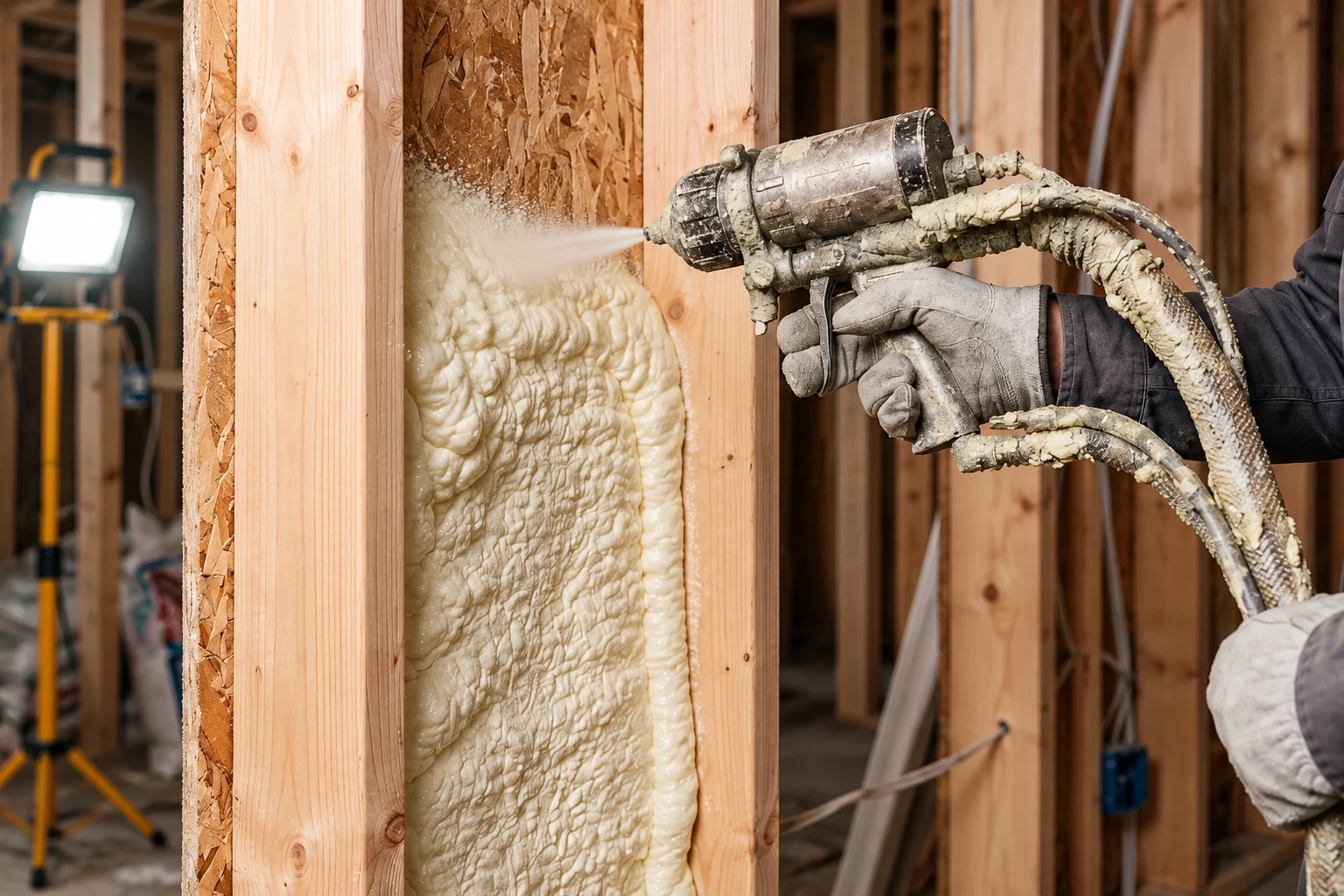
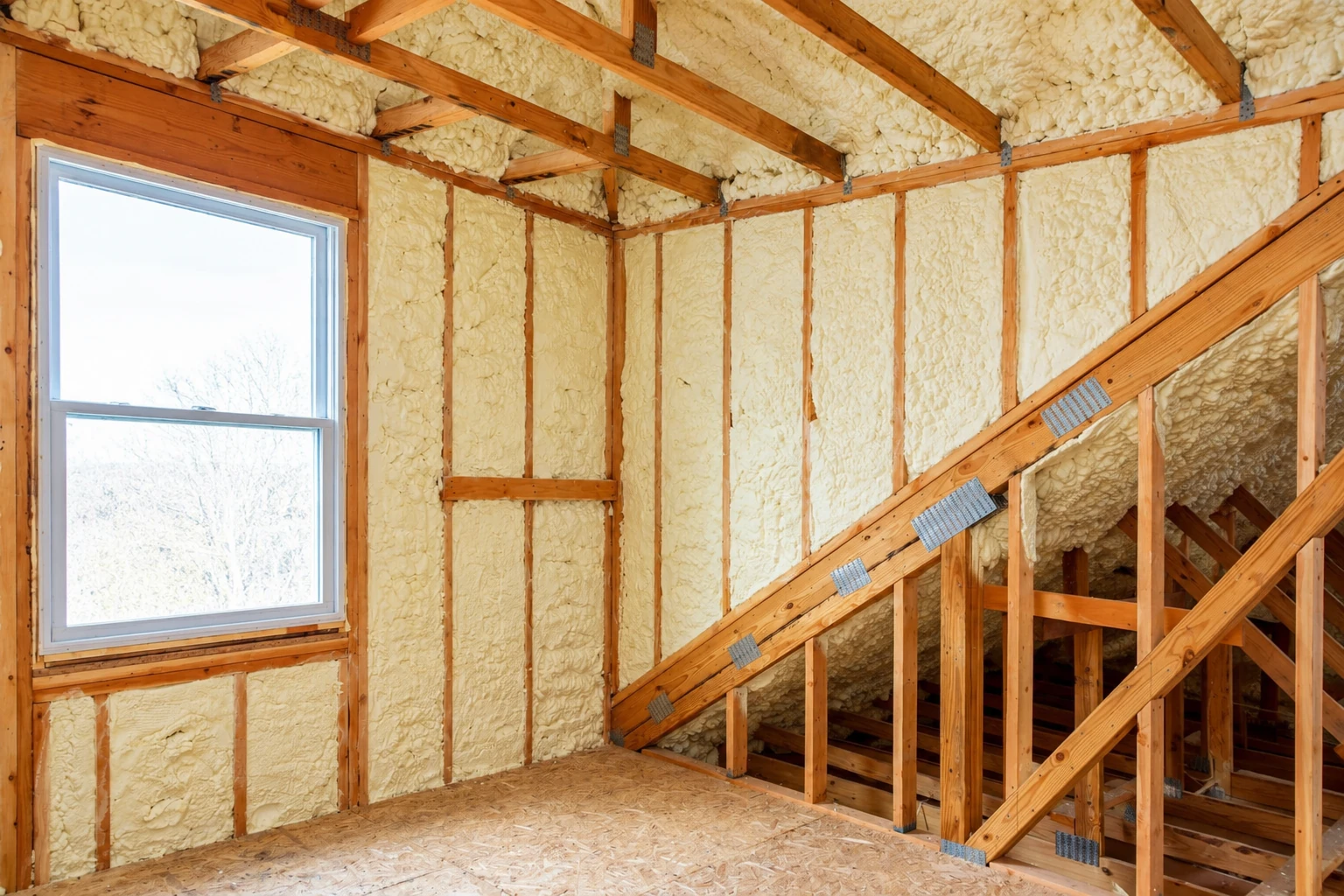
Foam work runs through the rest of the house too. The dense spray we use on walls that get damp is the same closed-cell foam insulation we put in other tight spots, and for walls and rooflines that stay dry, open-cell foam insulation is the lighter, usually cheaper option.
Rigid foam board on the walls
Board suits a basement you plan to finish later, as long as the wall isn't wet. National guidance says it only controls moisture when it's stuck tight to the concrete with no air gap and every edge and seam sealed, so that's how it has to go up.
Closed-cell spray foam
This is the pick for walls that get damp, because it gives the best moisture control of anything used inside a foundation. National guidance says spray foam has to be covered with ignition-barrier paint or drywall, so count that covering as part of the job and the price.
How do you know your basement needs insulation?
Cold floors upstairs
The rooms over the basement feel cold underfoot all winter. Bare concrete is usually pulling heat out of the house, and the furnace runs longer to make up for it every month you wait.
A musty, damp smell
The basement smells like a cellar, or boxes on the floor go soft. That's moisture getting in, and insulating over it only hides the problem until it shows up as mold or rot.
Sweating walls in summer
You see beads of water or dark patches on the concrete when it's humid out. Warm air is hitting a cold wall, and every wet season soaks whatever is stored against it a little more.
Drafts at the top of the wall
You feel cold air where the wall meets the wood framing above it. That band is often bare and leaky, and leaving it means even a well-insulated wall keeps losing heat through the gap.
What happens when you call about basement insulation in Topeka?
Call and set up a visit
Call or send the form, and I'll come out, walk the basement with you, and tell you what I'd do, in what order, and what has to be fixed first.
We fix, then we insulate
If you go ahead, our crew handles any moisture fixes first and then puts the insulation up. I'm on site for most of it if you have questions along the way.
Clean up and walk through
When the work's done, we clean up and I walk the basement with you. You see what went where before we call it finished.
Basement insulation questions we hear
These are the questions Topeka homeowners ask most before insulating a basement. If yours isn't here, call or send the form and ask about your own walls.
How much does basement insulation cost in Topeka?
Across the US, insulating a basement usually costs about $4.50 to $6.40 per square foot. That's a national going rate for the insulation work, not our price, so treat it as a gut check. Your own number depends on how much wall you have, how damp it gets and what has to happen before we insulate.
What is the best insulation for basement walls?
Foam board glued tight to the wall or closed-cell spray foam, depending on how damp the concrete gets. Fiberglass or cellulose against a basement wall can soak up water and stay wet, and national guidance also keeps plastic sheeting, vinyl or foil wallpaper and epoxy or oil paint off the inside of basement walls because they trap moisture. That's why I check the wall before I pick a material.
Should I test for radon before insulating my basement in Kansas?
Yes, test before the walls get closed up. The Kansas Department of Health and Environment says radon is a natural radioactive gas that can cause lung cancer, and since you can't see or smell it, testing is the only way to know your level. We suggest the test first so you know what you're sealing in before we seal it.
Can I insulate the basement ceiling instead of the walls?
Only if the basement stays dry and you won't use it as living space. National energy guidance limits ceiling insulation to that case, so if you might finish the basement someday, the walls are the place to put it. Insulating the ceiling also leaves the basement itself cold, along with any pipes and ducts down there.
Do the rim joists need insulating when I insulate my basement?
Usually, yes. The rim joist is the wood band sitting on top of the foundation wall, and it's commonly insulated and air sealed with rigid foam or spray foam so the air barrier runs unbroken from the wall to the floor above. It's worth asking any contractor whether their price includes it.
How long does it take to insulate a basement?
It depends more on what we find before insulating than on the insulating itself. Damp spots or a radon result that needs handling come first, and spray foam has to be covered before the job is done, so the order sets the timeline. I'll tell you that order when I come out to look.
Get a free basement insulation estimate
Tell us your basement's rough size, how you use it and any damp you've seen, and we'll reply within one business day. I'll come walk it with you, free and with no obligation.
Basement insulation up close
Other foam work we do
Closed-cell foam insulation
Dense spray foam for spots where moisture and air leaks both need stopping, from foundation walls to tight framing.
Learn moreOpen-cell foam insulation
A lighter, softer foam that seals air and fills odd cavities in walls and rooflines that stay dry.
Learn more