
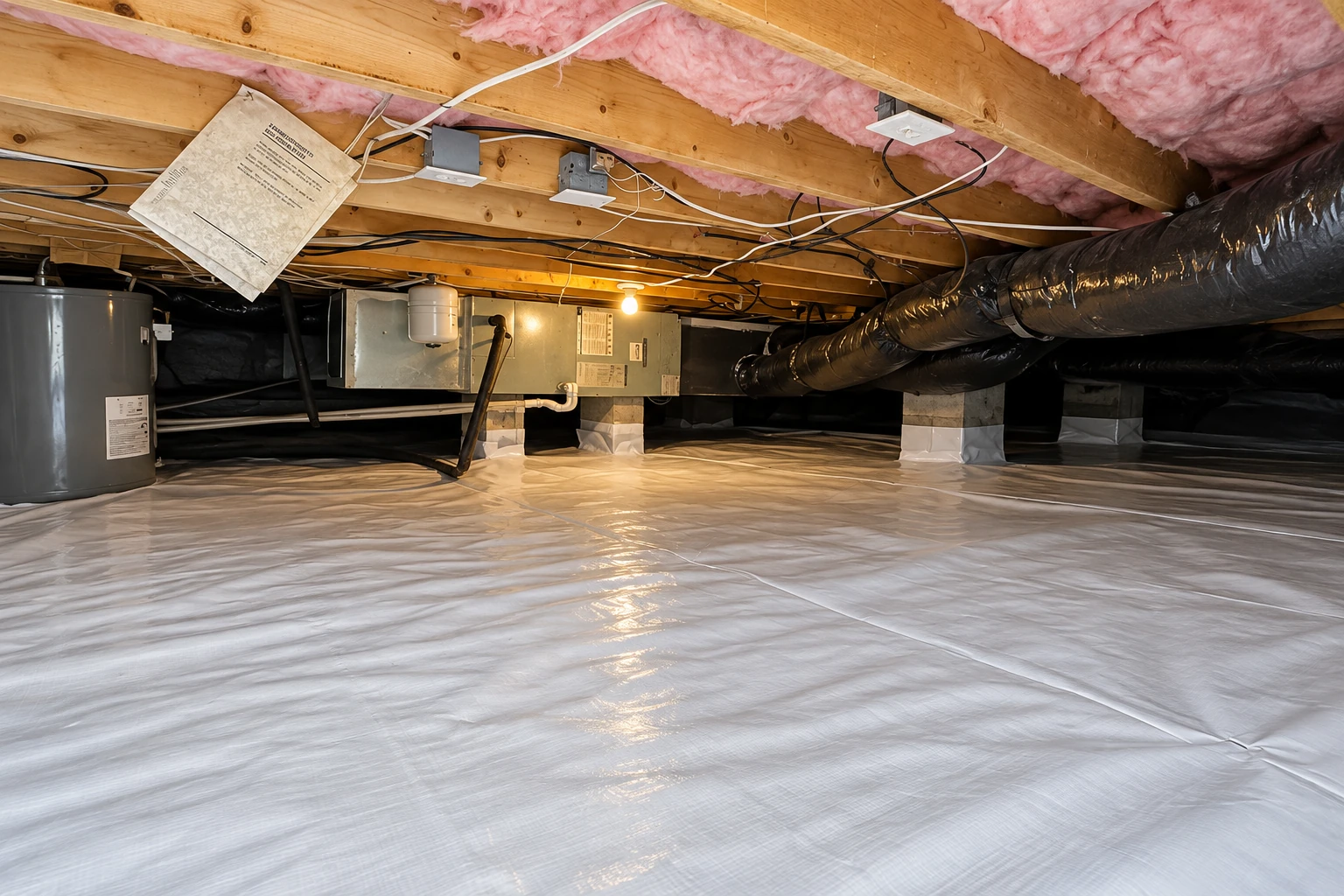
Open-cell foam insulation in Topeka KS - air sealed and insulated in one coat
Hot upstairs, a drafty room over the garage or a power bill that keeps climbing? We spray open-cell foam that seals and insulates at once.
Call about open-cell foam for your house
We pick up the phone into the evening all week, so call (785) 246-7785 or send the form after work, when you can poke your head into the attic and see what's up there.
Is open-cell foam insulation right for my house in Topeka?
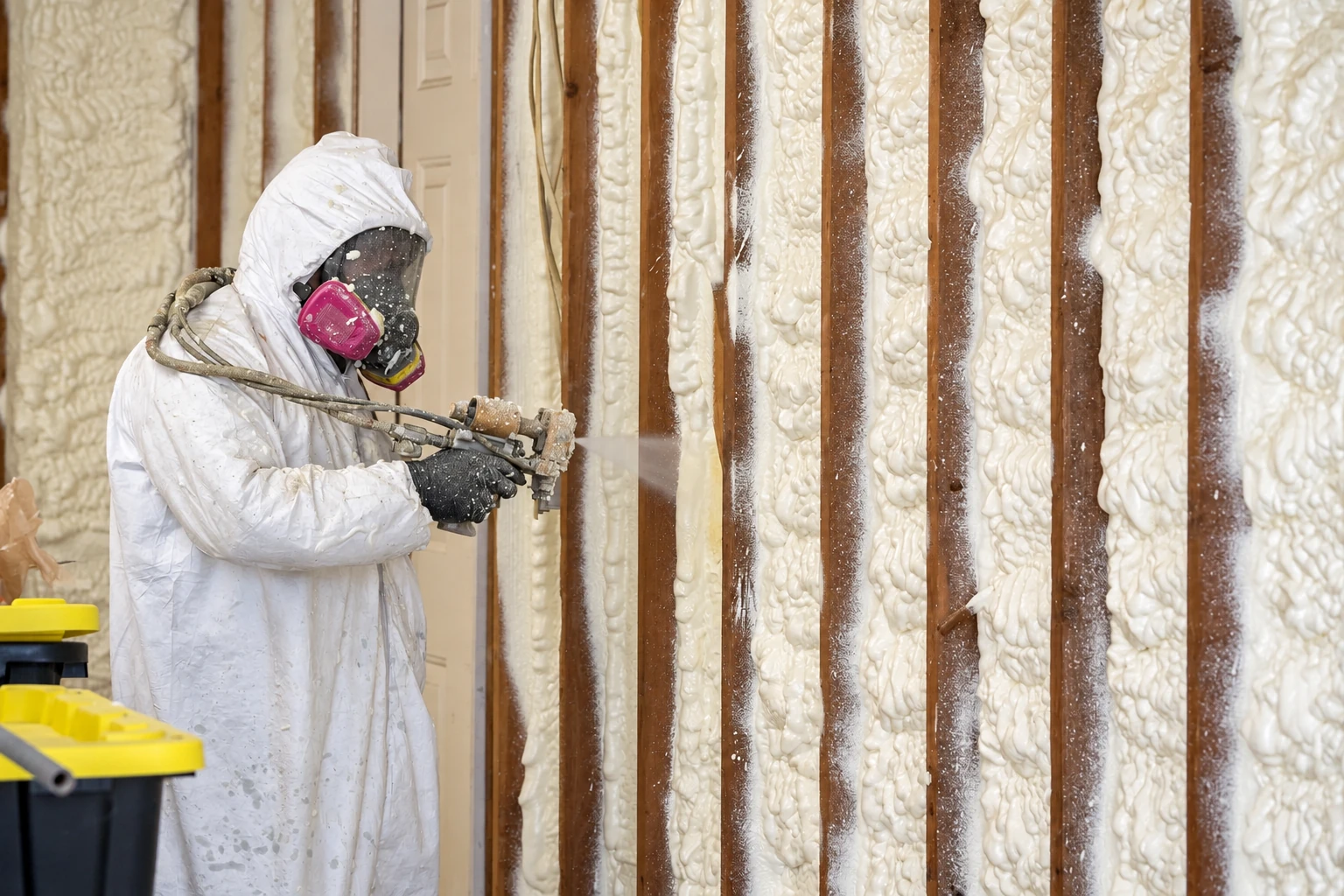
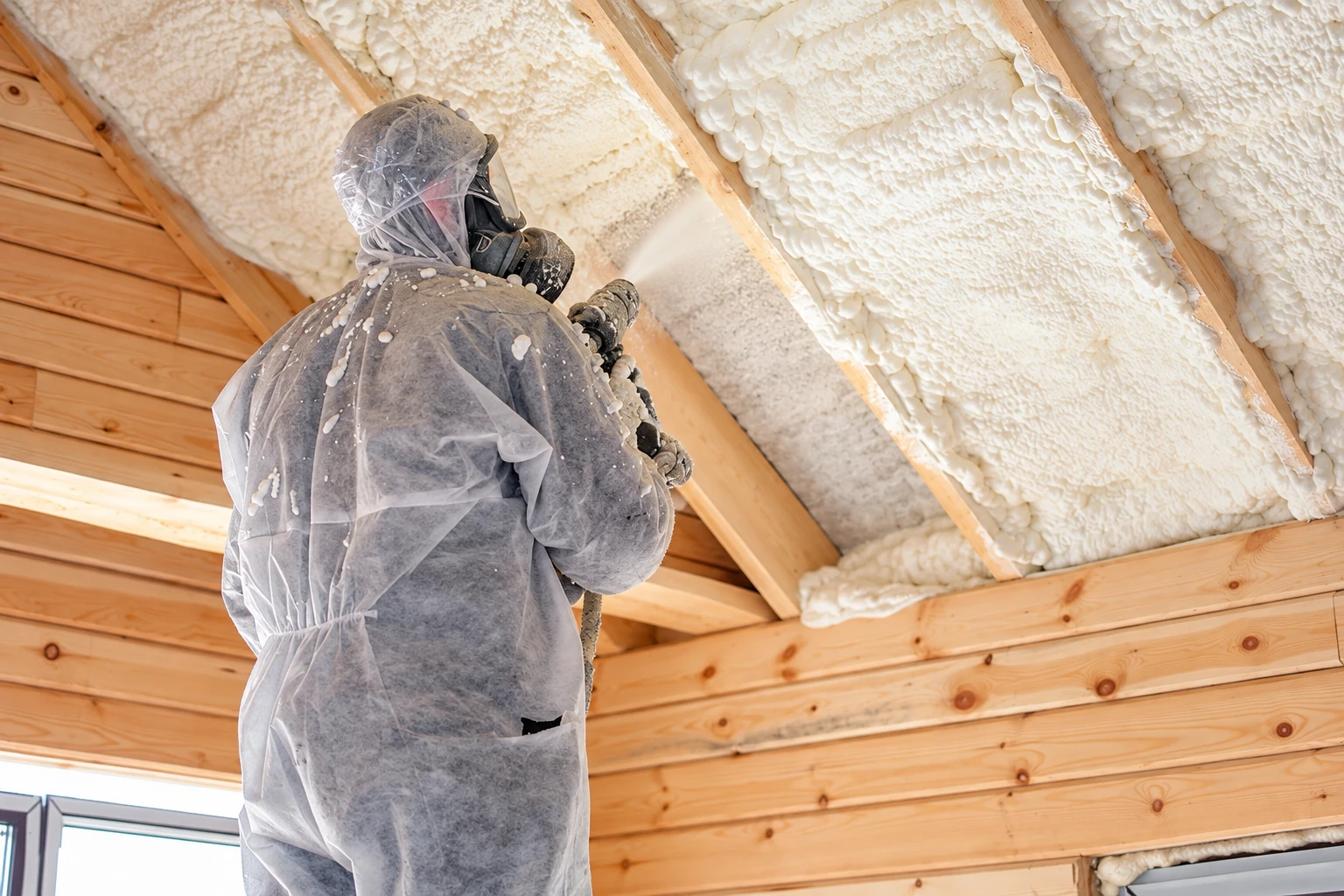
Open-cell foam insulation is a spray foam we put on roof decks, in walls and over garages in Topeka, KS homes, and it seals air leaks and insulates in the same coat, so drafts and heat loss get handled together.
Most people call us because the upstairs is hot, one room is drafty or the power bill won't quit climbing, and foam is one good answer among a few. The price moves with how much area we cover, how thick the foam goes, whether old insulation has to come out first through insulation removal, and whether there's a furnace or water heater in the attic to deal with. The schedule turns on that same prep and on how long you'll be out of the house after we spray. When I come out, I walk the space with you and explain what I'd do and in what order. We're based in Topeka and work in Lawrence, Tonganoxie, Eudora and other cities around it.
Why Topeka homeowners call Efficient Topeka Insulation Company for open-cell foam
I look at every job myself
I come out to look at each job myself, and I'm on site for most of the install while our crew sprays. The person who made the plan is right there making sure it gets followed.
Learned in attics with Dad
I learned this trade crawling through attics with my dad, and I've run this business since 2020. He used to say insulation over a leak is just a nicer looking leak, so we seal first.
Licensed, insured and easy to check
We're licensed and insured. Topeka's city code has a residential contractor category for remodeling one- and two-family homes, so ask any foam installer, us included, which city credential covers the work.
On a foam job, the order of the work matters more than the foam itself, so set up a visit and I'll show you where yours should start.
How we install open-cell foam insulation
I start by walking the space with you, and then our crew pulls out any old insulation that's soaked or full of droppings, because foam over that just seals the problem in. If there's a furnace or water heater up in the attic, we sort out its venting before we seal the roof deck, since foam up there closes the attic off and anything that burns fuel needs to get its air from outside and vent back out there. Open-cell costs less and quiets a room, but it lets moisture through, so we plan for that along with it. Then we spray, trim back the extra and clean up.
Under the roof deck
This suits a house with ductwork, a furnace or a water heater in the attic, because foam on the roof deck brings that space inside the house. If nothing lives up there, sealing the gaps and topping up the loose fill on the attic floor usually wins on price.
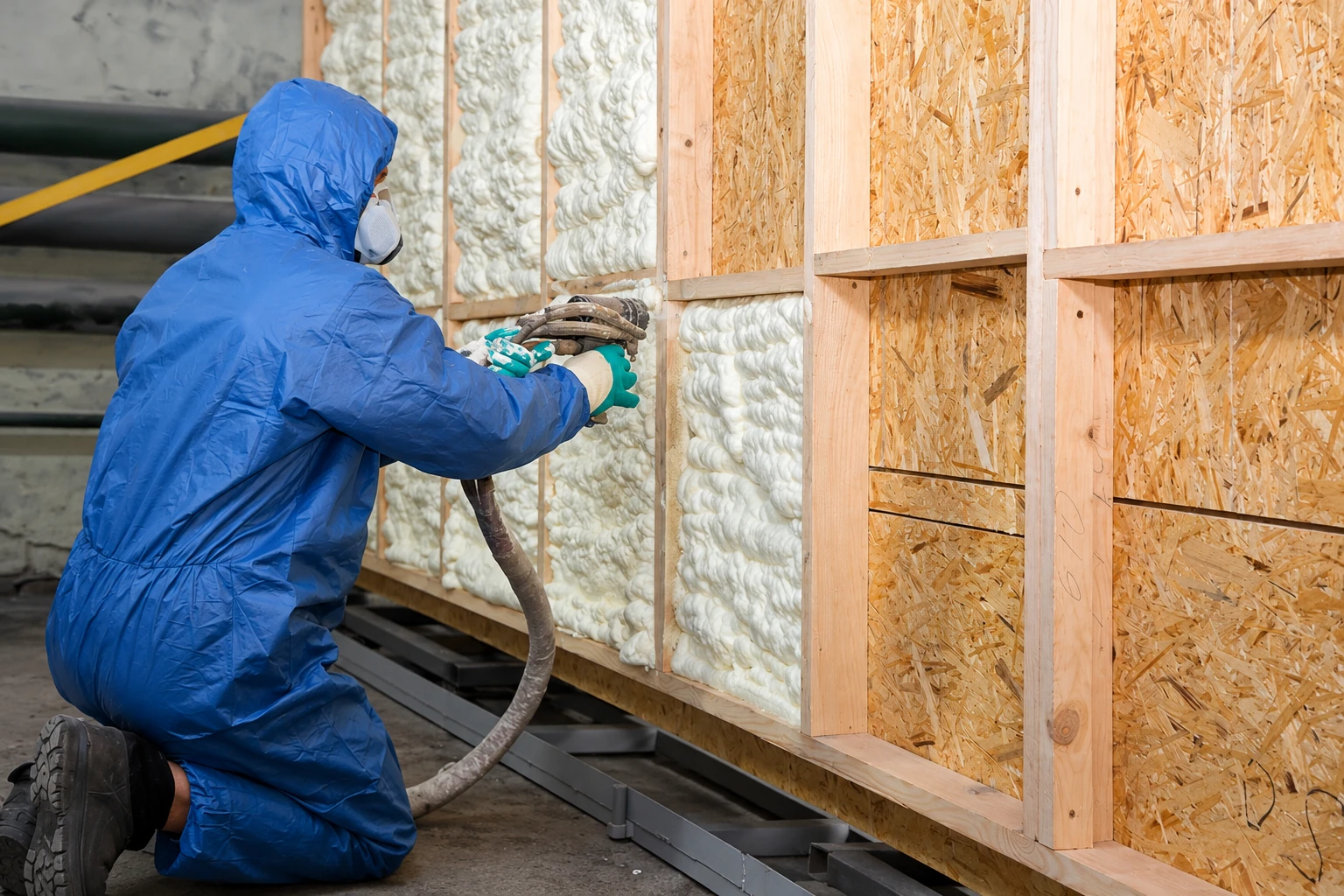
Open walls during a remodel
This suits a remodel, an addition or the room over the garage, when the stud bays are open and you want the room quieter and less drafty. The foam expands into the odd gaps around wires and pipes that batts tend to leave open.
How do you know your house could use open-cell foam?
Hot rooms upstairs
Bedrooms upstairs stay hot long after sundown, which usually means roof heat is pouring through a leaky, thin attic. Wait, and the AC runs all evening while the power bill climbs.
Cold floor over the garage
The room over the garage feels cold underfoot all winter, usually because the floor above that unheated space has thin or gappy insulation. Leave it, and that stays the room nobody uses.
Drafts at outlets and trim
You feel cold air at outlets, baseboards or window trim, which usually means air is leaking through the wall cavities, not just thin insulation. Each winter you wait, the furnace works harder to keep up.
Noise coming through walls
You hear the TV or the street through a wall or ceiling, which usually means hollow cavities are carrying sound. Once new drywall goes up, the easy chance to fill them is gone.
What happens after you call us about open-cell foam?
Call and set up a visit
Call (785) 246-7785 or send the form, and I'll come out to look at the space myself. I'll tell you what I'd do, in what order, and what needs fixing first.
Our crew does the install
If you go ahead, our crew does the work and I'm on site for most of it. We settle the spray day with you ahead of time, so you know when the household needs to be out.
We clean up and walk it
We clean up and walk the job with you at the end, so you see the coverage, the sealed spots and any appliance venting before we leave.
Open-cell foam questions we hear
These are the questions Topeka homeowners ask most before a foam job. If yours isn't here, call or send the form and ask about your own attic or walls.
How much does open-cell foam insulation cost in Topeka?
Open-cell foam for 1,000 square feet at 3 inches thick usually costs about $1,800 to $2,700 in Topeka, which is the going rate here and not a quote from us. Your price moves with the area, how thick it needs to go and any prep, like hauling out old insulation or sorting out attic appliance venting. I'll walk the space with you and explain what I'd do and in what order.
How do I choose between open-cell and closed-cell spray foam?
Pick open-cell if you want a quieter house at a lower price, and closed-cell if you need the most insulation packed into each inch. Closed-cell, the dense foam, is about twice as energy efficient per inch and costs more, while open-cell is a much better sound barrier. We can talk through closed-cell foam insulation too once I've seen where it's going.
How long do we have to stay out of the house after spray foam insulation?
Plan for everyone, kids and pets included, to be out while the foam is sprayed and for about a day after, since older EPA guidance notes that some foam makers recommend 24 hours before residents return, though the time can vary. The maker's instructions for the product we use set the actual re-entry time, which is when you can come back in. If anyone at home has asthma, respiratory allergies, a skin condition or a past sensitivity to isocyanates, the chemicals in spray foam, read the product information carefully before you decide.
Does open-cell foam need a vapor retarder?
It can, because national building science guidance says open-cell foam lets moisture vapor pass through, so it can't act as the moisture-blocking layer on its own. Where code calls for a vapor retarder, a layer that slows moisture, the job adds one along with the foam. And when foam turns the attic into a sealed space that's part of the house, that attic still needs a way to get rid of moisture.
Does spray foam insulation need a fire barrier over it?
Some spray foams do and some don't, depending on the product and the code. When one is needed, it's a thermal or ignition barrier over the foam, such as a coating or drywall. Ask about the product you're considering, and I'll tell you what its maker calls for.
How thick does open-cell foam need to be on rim joists?
Open-cell foam needs 5.5 inches of finished thickness on rim joists to count as an air barrier that stops drafts. Rim joists are the boards along the top of the foundation where the floor framing sits, and they're a common leak spot in basements and crawl spaces. If foam is going there, ask how thick it will finish.
Get a free open-cell foam estimate
Tell us the space you want insulated and whether a furnace or water heater sits in the attic, and we'll reply within one business day. I'll come out for a free on-site estimate, with no pressure and no obligation.
What open-cell foam looks like
Other work that pairs with foam
Crawl space vapor barrier
If the dirt under your house leaves the floors cold and the air damp, a sealed liner down there keeps that moisture from working its way up.
Learn moreCommercial insulation
Offices, shops and rental buildings get the same seal-first approach, planned around how the building is used.
Learn more